If you have been thinking about buying real estate in Dubai, you are not alone. The city has become one of the hottest property markets in the world. In the first three months of 2026 alone, Dubai property sales hit Dh176.7 billion, according to a report from Gulf News.
That is a huge number. And it comes from a mix of long term investors and people who just want a great place to live.
So why are so many people interested? For starters, Dubai offers a tax free environment. No annual property taxes. No capital gains taxes. That means more of your money stays in your pocket. Rental yields are also high compared to other global cities. Many investors see this as a smart way to grow their wealth.
But here is the thing. Even with all these benefits, many buyers feel stuck. The process can seem confusing. There are legal steps to follow, fees to understand, and many developers to choose from. It is easy to feel overwhelmed. Maybe you have had that experience too. You start looking at Dubai UAE real estate online, and suddenly you are drowning in information.

That is exactly why we wrote this guide. We want to make investing in real estate in Dubai simple and clear. Step by step, we will walk you through everything you need to know. From understanding Dubai property prices to finding the right property and closing the deal. No guesswork. Just practical real estate investing tips that work.
Think of this as your roadmap. By the time you finish reading, you will feel confident about your next move. And if you want personal help along the way, you can always reach out.

Ready to get started? Get a FREE Dubai Real Estate Consultation with Ayaz Salman. He can answer your specific questions and help you plan your purchase with confidence.
Why Dubai? Market Overview and Lifestyle Advantages
So why is everyone talking about Dubai UAE real estate right now? It is not just about the tax savings. The city itself has become a magnet for people from all over the world. And that is not by accident.
Let us start with the numbers. Dubai’s population has been growing fast. In 2026, the city is home to over 4 million people, and it is adding thousands of new residents every month. According to the Dubai Housing Market 2026 analysis from Engel & Völkers, this steady flow of new arrivals creates constant demand for housing. When more people want to live somewhere, property values and rents tend to rise. That is good news for anyone investing in real estate in Dubai.
But population growth is just one piece of the puzzle. Dubai has also worked hard to build a strong and diverse economy. It is not just about oil anymore. Tourism, trade, finance, and technology all play a big role here. This variety helps protect the market from big downturns. Even when other parts of the world slow down, Dubai keeps moving forward. The Dubai Real Estate Resilience report from Kavout explains how this economic mix keeps investor confidence high.
Now let us talk about lifestyle. This is where Dubai really stands out. The city is one of the safest places in the world. You can walk around at any hour without worry. The streets are clean. The infrastructure is first class.
From world class hospitals to top rated schools and smooth public transport, everything works. For families and professionals alike, it is a place where daily life feels comfortable and easy.
And then there are the rental yields. This is a big reason why people choose buying real estate in Dubai. In many global cities, rental yields sit at 3% or 4% if you are lucky. In Dubai, they often range between 6% and 9%. That is a huge difference. Imagine earning double the rental income from a property of the same price. That kind of return makes a real impact on your finances.
If you want to learn more about how to find properties with these strong returns, check out this Dubai property investment guide with 8% yields. It breaks down what to look for and where the best opportunities are.
So when you think about real estate investing tips, remember this. Dubai offers a combination that is hard to find anywhere else.
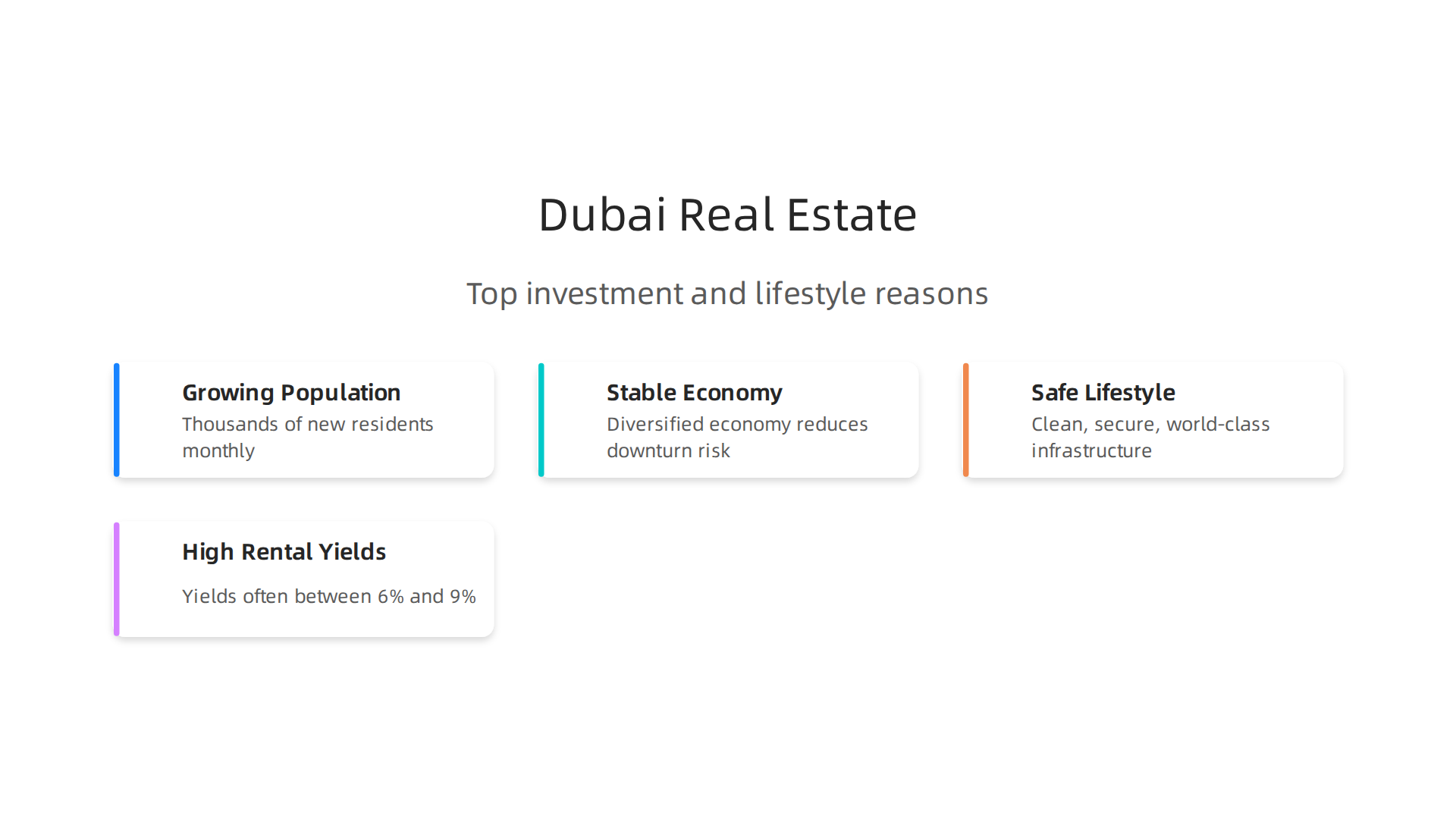
A growing population. A stable economy. A safe and modern lifestyle. And rental returns that put other markets to shame. All of these factors come together to make investing in real estate in Dubai a smart move for the long term.
The next part of this guide will help you understand how Dubai property prices compare across different areas. That way you can make a confident choice.
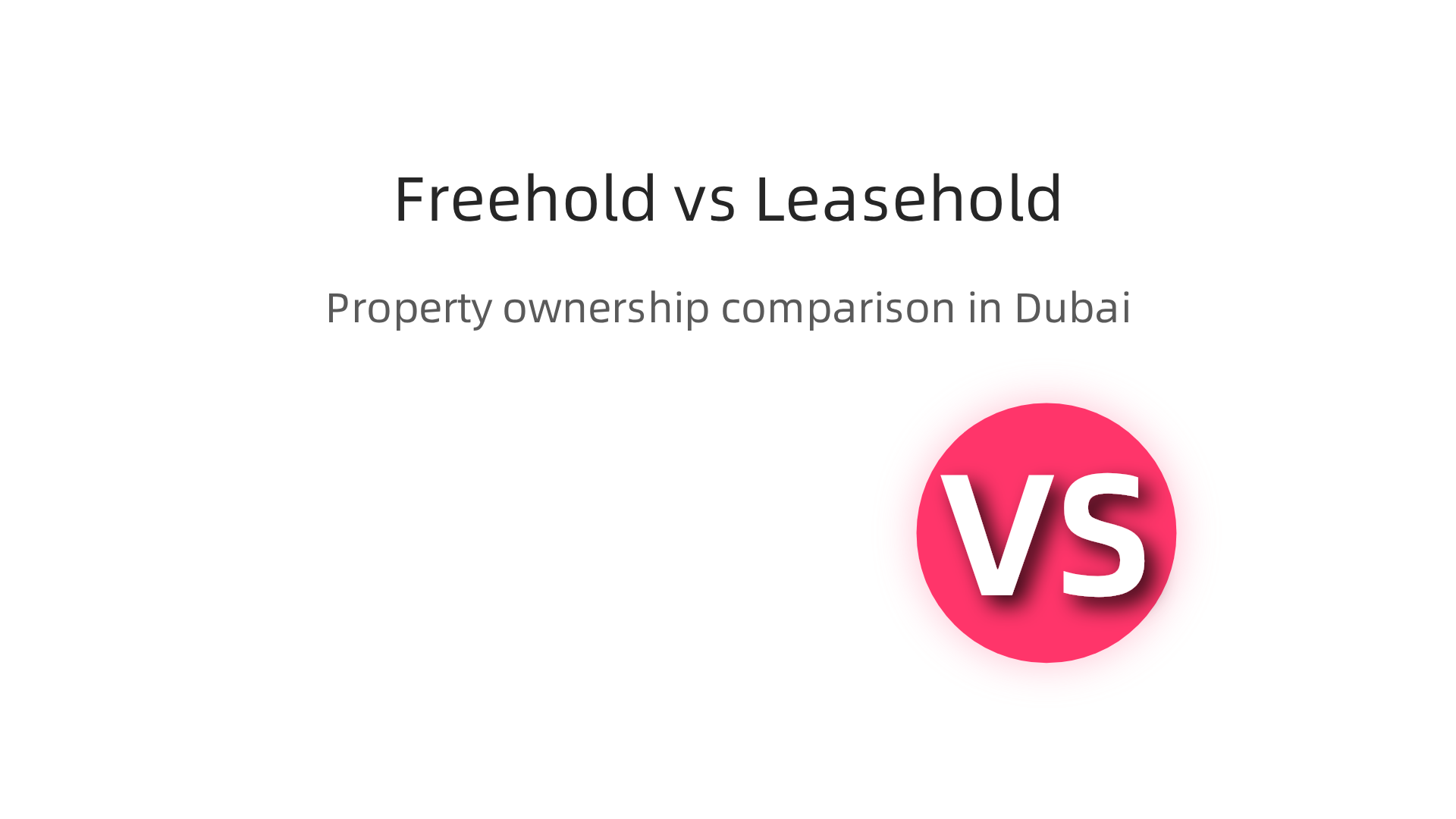
Freehold vs. Leasehold: Understanding Ownership Rights and Legal Framework
Before you start looking at Dubai property prices, you need to understand the rules that shape what you can buy. Not every property in Dubai works the same way for foreign buyers. The two main ownership types are freehold and leasehold. Knowing the difference will save you time, money, and confusion.
Freehold ownership is the real prize. It gives you full rights to both the property and the land it sits on. There is no time limit. You own it forever. Your children can inherit it. As a foreigner, you can buy freehold property in specific areas approved by the Dubai government. These include popular communities like Dubai Marina, Downtown Dubai, Palm Jumeirah, JVC, and Dubai Hills Estate. A reliable Dubai real estate agent can show you exactly which areas are open to foreign freehold buyers.
Leasehold works differently with freehold ownership. With a leasehold property, you own the building but not the land underneath it. Your ownership lasts for a set period, usually 99 years. After that, the land goes back to the original owner. You can still live in it, rent it out, or sell the remaining lease term. But you never get full ownership of the land. This option is less common for foreign investors, but it exists in some areas.
Dubai’s real estate market is well regulated. The Real Estate Regulatory Authority (RERA) oversees every transaction.
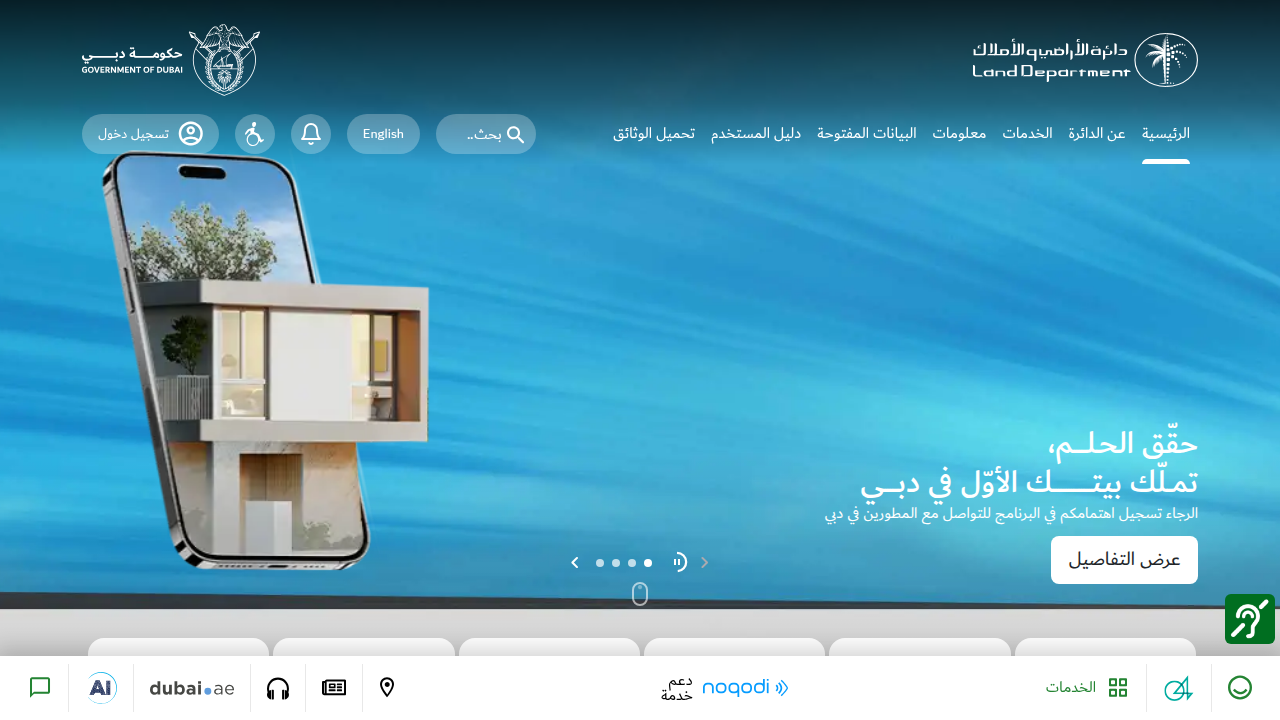
This body makes sure both buyers and sellers follow the law. They handle registration, monitor developers, and protect your money. For anyone buying real estate in Dubai, this oversight is a huge relief. It means less risk and more transparency.
If you want a deeper look at how to navigate these rules from start to finish, check out this complete guide to buying property in Dubai for investors. It walks you through the whole process step by step.
Here is a quick comparison to make things clear:
| Ownership Type | Rights You Get | Who Can Buy | Best For |
|—|—|—|—|
| Freehold | Full ownership of property and land, no time limit | Foreigners in designated areas | Long term investors, families |
| Leasehold | Ownership of building only, limited term like 99 years | Foreigners in certain zones | Short to medium term buyers |
The bottom line is simple. If you want true ownership and the best long term value, go for freehold. That is where most smart investors focus their attention. And with RERA watching over everything, you can move forward with confidence.
When you are ready to take the next step, get a FREE Dubai Real Estate Consultation. Connect with a local expert who can answer your specific questions and help you choose the right property for your goals.
Due Diligence: How to Verify Developers and Avoid Scams
You know the ownership rules now. But even the best freehold area will not protect you if you pick the wrong developer. Scammers exist everywhere, and Dubai is no exception. The good news is that Dubai has strong systems in place to keep buyers safe. You just need to know how to use them. Here is a simple checklist for buying real estate in Dubai the right way.
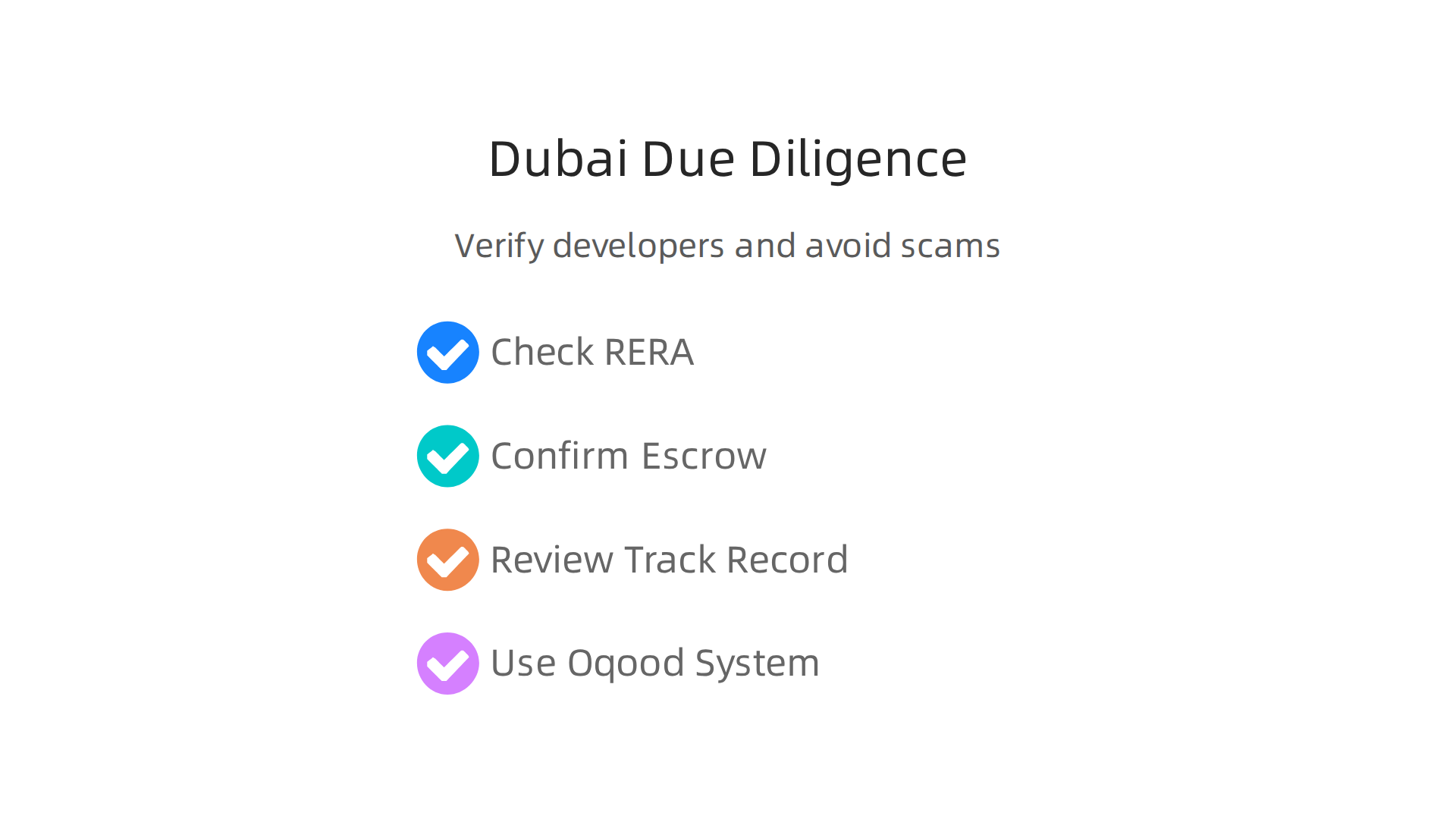
Step 1: Check RERA registration. Every legal developer must be registered with the Real Estate Regulatory Authority (RERA). You can search the RERA website or download the Dubai REST app. Type in the developer’s name. If nothing comes up, do not deal with them. This is your first and most important filter.
Step 2: Confirm the escrow account. For off-plan projects, developers must put your money into a RERA approved escrow account at a bank. The developer can only withdraw funds based on construction progress. This protects your investment if the project stalls. Always ask for the escrow account number and verify it with the bank directly. A reliable guide on property ownership in Dubai for foreigners explains how this protection works in detail.
Step 3: Review the developer’s track record. Have they delivered past projects on time? Is the build quality good? Search online for customer reviews and visit completed communities if you can. Also check if the developer has been involved in legal disputes. A developer with repeated delays or complaints is a red flag. These are basic real estate investing tips that apply everywhere.
Step 4: Use the Oqood system. When you buy off-plan, the developer must register the sale with the Dubai Land Department through the Oqood system. This gives you an interim ownership certificate. Once construction finishes, you get the official title deed. If the developer does not issue an Oqood certificate, do not pay a single dirham.
For more help picking a trustworthy partner, read our guide on the best property developers in Dubai for high returns. It breaks down what to look for and how to compare your options.
Dubai property prices can be tempting, but do not let a good deal rush you. Follow these due diligence steps every time. They are your best defense against scams. Take your time, ask questions, and trust only verified developers. That is how smart investors succeed in this market.
Now that you know how to pick a good developer, let’s talk about money. Many first-time buyers only look at the sticker price of a home. But buying real estate in Dubai comes with extra fees that can add up fast. If you do not plan for them, you might be caught off guard at the transfer counter.
Here is what you actually pay when you buy a property in Dubai.

Upfront Costs (One-Time Payments)
The biggest cost is the Dubai Land Department (DLD) transfer fee. This is 4% of the property’s price. For example, on a AED 1,000,000 property, you pay AED 40,000 just for this fee. The DLD also charges a small AED 580 admin fee for the title deed. You can see the full breakdown in this cost of buying property in Dubai guide from Engel & Völkers.
Next comes the trustee office fee. For properties worth AED 500,000 or more, this is around AED 4,000 plus 5% VAT (AED 4,200 total). For cheaper properties, it is AED 2,000 plus VAT.
Then there is the agency commission. Most real estate agents charge 2% of the purchase price plus VAT. So on that same AED 1,000,000 home, you pay about AED 21,000 in agent fees. Want to understand how that works exactly? Read our detailed look at real estate agent commission Dubai rates and how to negotiate them.
If you get a mortgage, add another 0.25% of the loan amount for mortgage registration, plus a valuation fee of roughly AED 2,500 to AED 3,500.
Total upfront costs usually land between 7% and 9% of the property price. On a AED 1,000,000 property, that is AED 70,000 to AED 90,000 in extra cash you need to bring.
Ongoing Costs (Yearly Payments)
After you buy, the costs do not stop. The biggest yearly expense is service charges. These cover building maintenance, security, pools, gyms, and landscaping. They range from AED 10 to AED 30 per square foot per year, depending on the community. For a 1,000 sqft apartment in a mid-range building, expect AED 10,000 to AED 15,000 annually. High-end communities cost more.
You also have DEWA connection fees (around AED 5,000 to start) and annual maintenance for your unit. If you rent the property out, factor in property management fees too.
How Dubai Compares to Other Global Cities
Here is the good news. Dubai property prices might seem high when you add those upfront fees. But there is zero annual property tax, zero capital gains tax, and zero rental income tax. In cities like London, New York, or Hong Kong, buyers pay stamp duty (up to 15% in some cases), annual property taxes (1% to 3% of value), and high capital gains taxes on sale. When you add everything up over five or ten years, Dubai is often cheaper.
A detailed report on property taxes, fees and costs in Dubai shows that total buyer closing costs in Dubai (around 7% to 9% once) are much lower than the recurring taxes in many other markets.
Get Your Numbers Right Before You Sign
Every buyer’s situation is different. Your exact costs depend on the property price, whether you use a mortgage, and the community’s service charge rate. Do not guess. Work with someone who can break down every dirham for you.
FREE Dubai Real Estate Consultation – Buying, selling, renting, or investing in Dubai? Connect with Ayaz Salman for a free consultation. He will help you calculate all costs, compare neighborhoods, and find the best deal for your budget.
Financing Your Purchase: Mortgages and Developer Payment Plans
So you have a clear picture of the fees. Now comes the big question: how do you actually pay for the property? Most people do not have AED 1 million sitting in a bank account. That is where financing comes in.
If you are an expat, you can get a mortgage from a UAE bank. The rules are pretty standard. For your first property, you can borrow up to 75% of the home’s value. That means you need a down payment of at least 25%. For example, on a AED 1,000,000 property, you need AED 250,000 cash upfront. UAE Nationals can sometimes get a lower down payment of 15%. This is all covered in the Tips for First-Time Property Buyers in Dubai: 2026 Complete Guide from Iman Developers, which breaks down mortgage eligibility step by step.
What about interest rates? In 2026, expat mortgage rates usually land between 3.5% and 5%. These are floating rates linked to the Emirates Interbank Offered Rate (EIBOR). Some banks offer fixed rates for the first three to five years, which can help you plan your monthly payments better. Shop around. Different banks offer different deals based on your salary, job stability, and credit history.
But mortgages are not your only option. If you buy an off-plan property (a home that is still being built), developers often offer flexible payment plans. Some let you pay a small deposit upfront and then spread the rest over the construction period. Others offer post-handover payment plans, where you pay part of the price after you move in. This can lower your initial cash outlay a lot. It is one of the smartest real estate investing tips for first-time buyers who want to enter the market without draining all their savings.
Whichever route you choose, get your numbers right before you sign anything. A good agent can walk you through mortgage options and developer plans side by side. For a full walkthrough of the entire buying process, check out this complete guide to buying property in Dubai for investors. It covers everything from viewing homes to closing the deal.
FREE Dubai Real Estate Consultation – Buying, selling, renting, or investing in Dubai? Connect with Ayaz Salman for a free consultation. He will help you compare financing options, understand payment plans, and find the best property for your budget.
Rental Yields and Capital Appreciation: Analyzing ROI
When you are buying real estate in Dubai, the big question is always: how much money will it really make you? The answer comes from two main numbers: rental yield (the income you earn each year) and capital appreciation (how much the property value goes up over time).
Dubai stands out for rental yields. The average gross rental yield here sits between 6% and 9%. That is much higher than what you would get in London (3 to 4%) or New York City (3 to 5%). According to the best rental yields in Dubai 2026 guide from GuestReady, areas like Jumeirah Village Circle produce yields around 7.21% for three bedroom flats, while Al Furjan studios can reach 8.51%. The Property Finder 2026 rental property guide confirms that investors can expect average yields of 6% to 8% across the city, with budget communities like International City and Dubai Silicon Oasis delivering even higher returns.
Capital appreciation is another strong reason for investing in real estate in Dubai. Prime locations such as Dubai Marina, Downtown Dubai, and Palm Jumeirah have seen property values rise by 5% to 12% per year in recent cycles. The Gulf News article on 2025 price and rent gains reports that apartment sale prices per square foot jumped by 9% to 29%, while villa prices rose up to 28%. Luxury areas saw gains of 4% to 16%. That combination of steady rental income and increasing property value creates a powerful double return.
What affects your ROI the most? Dubai property prices vary a lot by location, so choosing the right neighborhood matters. Smaller units like studios and one bedroom flats typically produce higher rental yields than larger villas. Off-plan properties can offer bigger capital appreciation if you buy early, but they carry more risk than ready homes. Market timing also plays a role.
To make smart choices, you need to compare both income and growth potential. For a deeper look at how to earn high returns through rental yield and appreciation, check out this Dubai property investment guide for earning 8% yields. It walks through the numbers behind the best opportunities.
Remember: when investing in real estate in Dubai, the investors who succeed are the ones who study the data before they sign anything.
Know the yield, know the growth trend, and know the neighborhood. That is the real real estate investing tips secret.
Summary
This guide explains how and why buying real estate in Dubai is an attractive option for investors and homebuyers, covering market drivers, ownership rules, developer due diligence, costs, financing, and expected returns. You will learn the difference between freehold and leasehold ownership, how to verify developers using RERA and escrow accounts, and what upfront and ongoing fees to budget for (typically 7–9% in closing costs). The article outlines mortgage rules for expats, common developer payment plans, and how to calculate rental yields and capital appreciation across neighborhoods. Practical checks and a stepwise approach help you avoid scams, compare developers, and pick properties that match your financial goals. By the end you’ll be able to evaluate deals, estimate ROI, and follow a clear buying checklist to move forward with confidence.