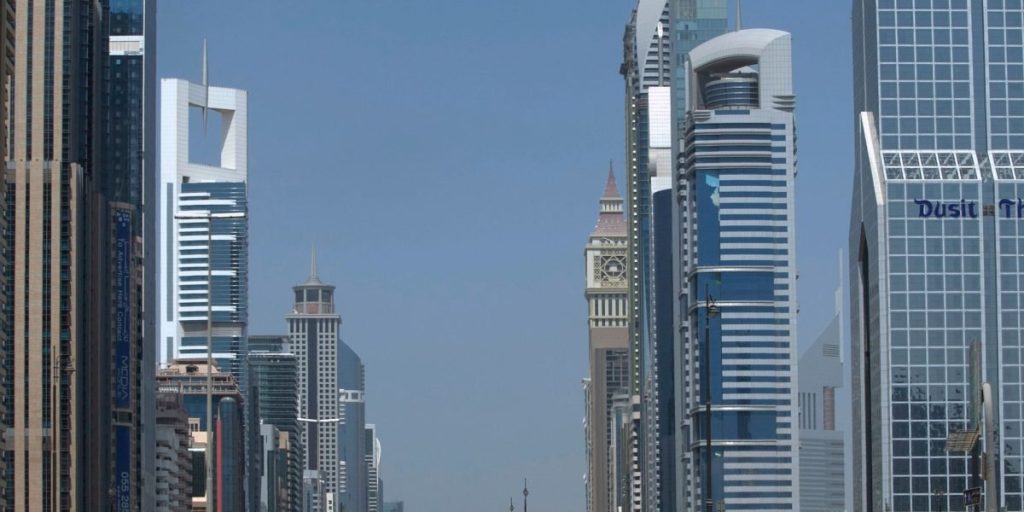

Why transaction-level data matters for Dubai investors
Dubai is an exciting place to invest in property, with many people looking to buy homes or make money from real estate. But how do you make truly smart choices? It’s not enough to just look at properties listed for sale. Those "listing prices" are just what sellers hope to get. To make the best decisions, you need to see what homes have actually sold for.

This is where detailed transaction-level data comes in handy for property in Dubai.
Transaction data shows you the real deals that have happened. It’s like seeing the proven track record of actual property finder transactions. This kind of information tells you the true story of the market, not just what people are asking for their homes. The Dubai Land Department (DLD) is the official place that records all these sales, making the information public so investors can use it to understand the market better
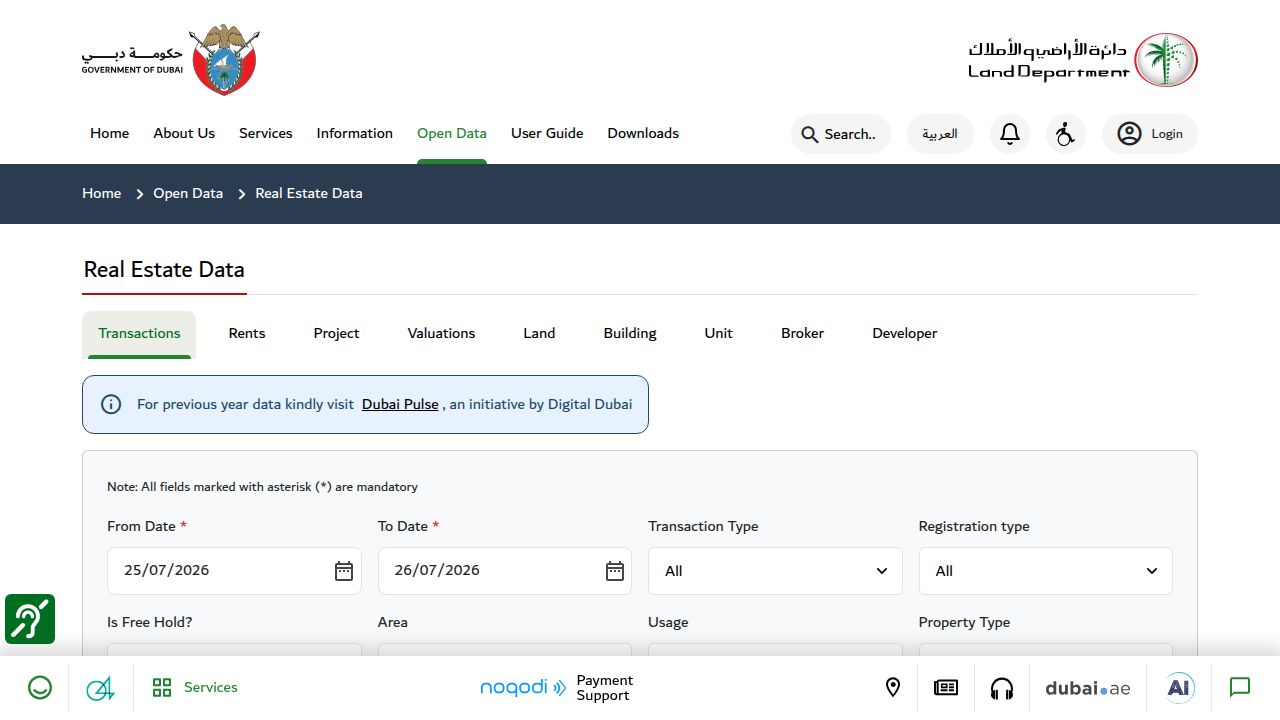
How to Access DLD Sales & Rent Records via API – BayutAPI.
What Detailed Transaction Data Shows You
Looking closely at property transactions gives you a clear picture. Here’s why it’s so important:
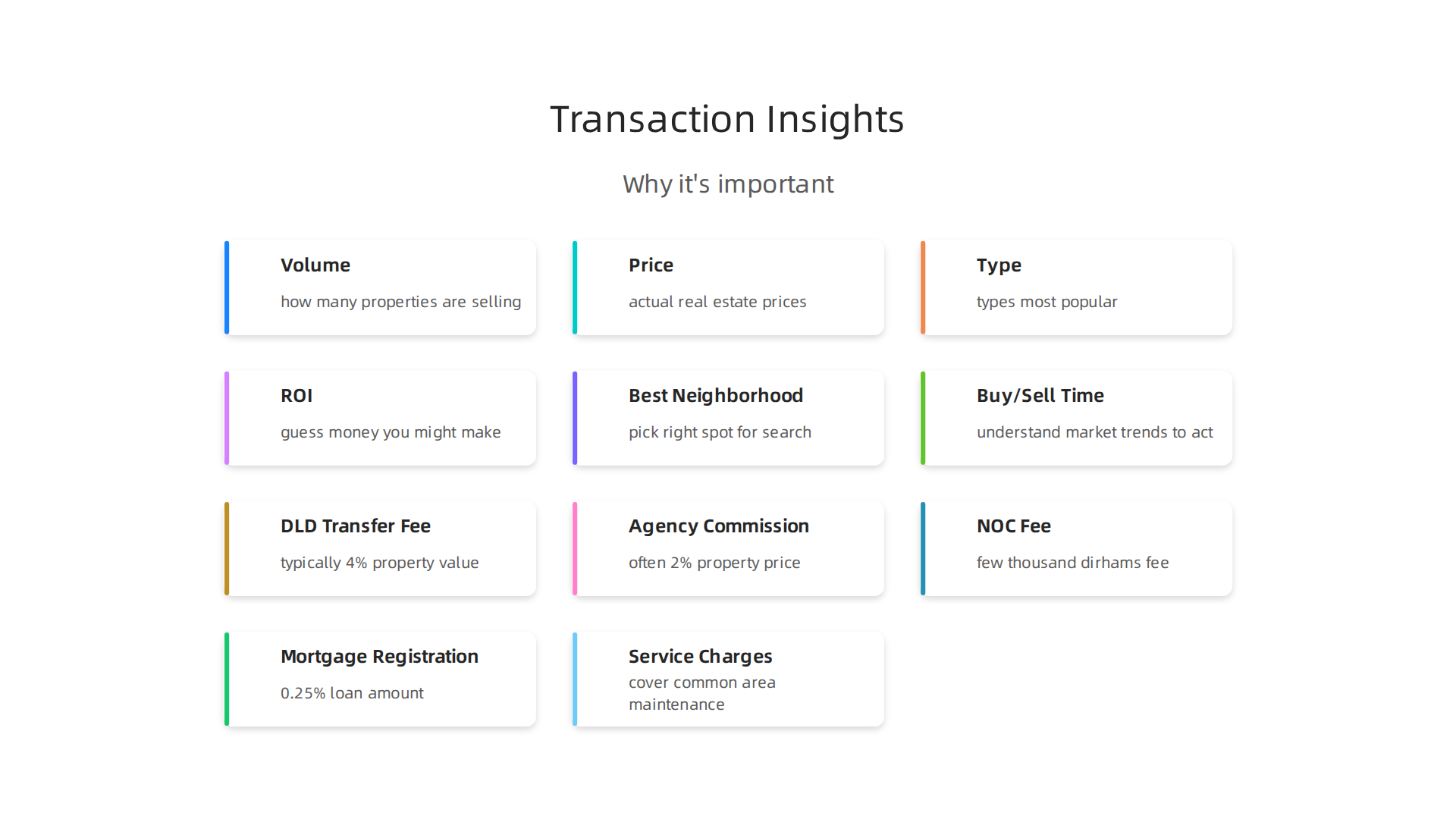
- Volume: You can see how many properties are selling in different areas. Is the market really busy, or are sales slow? High volume often means a strong market.
- Price: This data reveals the actual real estate prices in Dubai. You can find out the average price per square foot and compare it to what homes are listed for. This helps you know if a listing price is fair or too high. Knowing the real sale prices is key to understanding the market Dubai Property Transaction Data Guide.
- Type: You can learn which types of property in Dubai are most popular. Are apartments selling faster than villas? Are new "off-plan" projects attracting more buyers than older, "ready" homes?
This detailed information helps create a solid UAE property index, giving you a wider view of the market’s health.
Answering Key Investor Questions
Smart investors in Dubai always have important questions. Transaction data helps answer them clearly:
- What’s my Return on Investment (ROI)? By seeing what similar properties have sold for, you can better guess how much money you might make from your investment later.
- Which neighborhood is best? You can see which areas have strong sales, rising prices, and high demand, helping you pick the right spot for your property search.
- Is this the right time to buy or sell? Looking at recent property finder transactions helps you understand market trends and decide if it’s a good moment to act.
- How can I lower my risk? Real data helps you avoid overpaying and choose properties in stable, growing areas, making your investment safer.
Understanding these details is a big step in making successful investments in Dubai. If you’re ready to explore how this data can work for your specific investment goals, help is available.
Buying, selling, renting, or investing in Dubai? Connect with Ayaz Salman for Free Consultation. You can also learn more about how to unlock profits and visa benefits buying property in Dubai to make the most of your investment.
Now, let’s look at what the actual sales data tells us about the Dubai property market right now in 2026. The information from the Dubai Land Department (DLD) gives us a clear picture of what’s really happening with property in Dubai, going beyond simple listing prices.
Market Overview: What Transaction Data Reveals About Dubai in 2026
When we look at the official transaction data, we can see big trends that help investors make smarter choices.

This data helps create a reliable UAE property index, which is like a health report for the whole market.
Steady Transaction Volumes Show Market Strength
In the first part of 2026, Dubai’s real estate market showed strong activity. For example, the first quarter of 2026 saw a total transaction value of AED 252 billion across over 60,303 deals. This was a good increase from the previous year, showing that many people are still buying and selling homes Dubai’s real estate transactions surge 31% to reach AED …. While the pace might have settled a bit compared to very busy times, the market is still seeing lots of important deals, especially for fancy homes and new buildings Dubai’s real estate trends revealed for 2026 after record …. This tells us that investor confidence remains high, and property finder transactions are happening often.
Median Prices and Growing Value
One of the most important things transaction data tells us is about real estate prices in Dubai. In early 2026, the median price for a property was around AED 1,745,000, and the median price per square foot grew by 14% compared to last year Dubai Real Estate Prices 2026: Latest Market Data. This growth shows that property values are still going up, which is good news for investors looking for their property to become worth more over time. Understanding these median prices helps you judge if a property you are interested in is a good deal or not.
How Big Factors Impact Property in Dubai
What drives all these property finder transactions and price changes? It’s a mix of different things happening in Dubai:
- Tourism: Many visitors come to Dubai, which creates a need for more places to stay, either for holidays or for longer periods. This helps the rental market and makes investing in property attractive.
- More Jobs: Dubai’s economy is growing, bringing more people to live and work here. When more people move to Dubai, they need homes, which boosts demand for property.
- New Buildings and Better Transport: Dubai keeps building new communities and improving its roads and public transport. These improvements make areas more desirable and can increase property values. The government’s focus on future growth keeps the market strong.
- Government Support: The Dubai government actively supports the real estate sector with clear rules and initiatives, making it a safe place for people to invest their money. You can find official real estate data directly from the Dubai Land Department to stay updated.
All these factors together paint a picture of a strong and growing market for property in Dubai. For those looking to invest, understanding the real data behind these trends is key to choosing the right home or investment property. If you want to dive deeper into how different areas or property types are performing, or maybe explore options like adcp property search, detailed property research is crucial. Learning how to conduct thorough Dubai Property Research 2026 can give you even more confidence in your investment decisions.
To truly understand the value of property in Dubai, it’s not enough to just look at advertised prices. Smart investors check the actual sale records. These records show what people really paid, not just what sellers hoped for. The Dubai Land Department (DLD) keeps track of every single property deal, and this information is public. It tells us about the real estate prices in Dubai and how the market is truly moving How to Access DLD Sales & Rent Records via API – BayutAPI.
Reading Transaction Records: Volume, Price Bands, and Transaction Types
When you dig into these records, you find different kinds of deals. Knowing the difference between them helps you see the full picture of property finder transactions.
Key Transaction Types and What They Mean
Let’s look at the main ways properties are bought and sold:
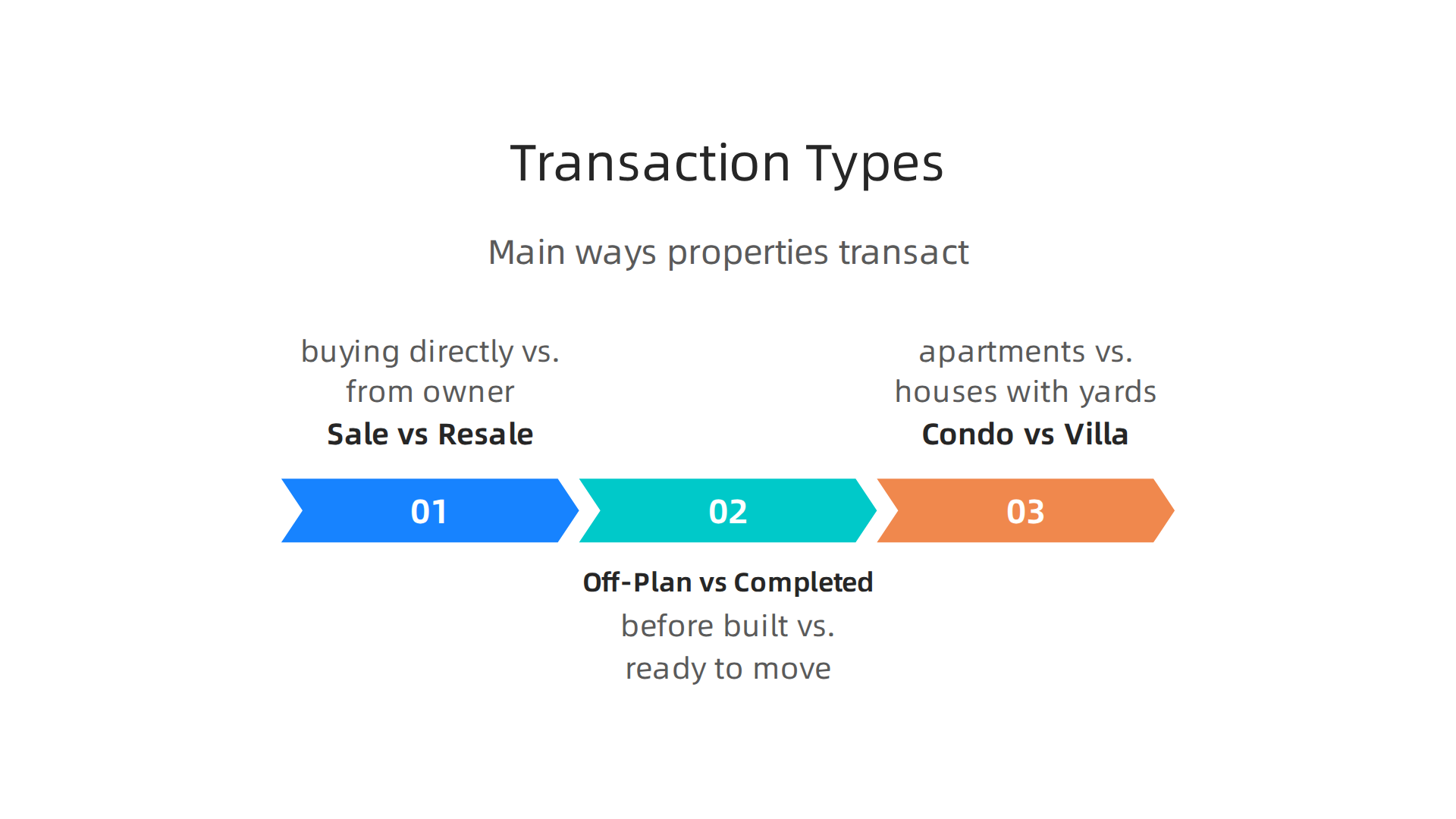
- Sale vs. Resale: A "sale" often means buying a property directly from a developer for the very first time. This is called the primary market. A "resale" is when you buy a property from someone who already owns it. This is the secondary market. Both are important for gauging how many homes are being sold and for how much Dubai Property Transaction Data Guide.
- Off-Plan vs. Completed: "Off-plan" means you buy a property before it’s built or while it’s still under construction. You might get a better price, but you have to wait for it to be finished. "Completed" properties are ready for you to move into right away. The DLD data clearly shows these differences, including details like property type, size, and price Unveiling Dubai’s Real Estate: A Data-Driven Dive (Part 1).
- Condo vs. Villa: This refers to the type of home. "Condos" are apartments, usually in large buildings. "Villas" are like houses, often with private yards. Some data sources also list property features like the number of bedrooms, which helps compare similar properties, whether you are looking for apartments or 4 Bedroom Villas for Sale in Dubai.
Understanding these different types of property finder transactions is vital because they can have different prices and appeal to different buyers. For instance, knowing how to invest in off-plan properties in Dubai can be a good strategy for maximum returns.
How to Spot Data Issues and Seasonal Changes
When you look at transaction data, it’s good to be smart about what you see:
- Data Quality Issues: Sometimes, data can have mistakes. This might be missing details, wrong numbers, or prices that seem too high or too low. Experts often clean this raw data to make sure it’s correct and useful, filtering out things that don’t make sense Unveiling Dubai’s Real Estate: A Data-Driven Dive (Part 2) – Medium. Knowing where this data comes from, like the DLD’s open data portal, helps ensure its reliability Dxbinteract: Reading DLD Transaction Reports: Data Guide.
- Seasonal Distortions: The number of deals can change based on the time of year. For example, there might be fewer transactions during summer holidays or during certain religious festivals. It is better to look at trends over several months, like a six-month average, rather than just one month’s data, to avoid being fooled by these short-term ups and downs Transaction Data Trends: How to Spot Patterns – Oliva.
By carefully reviewing these details, you can get a clearer picture of the Dubai real estate market and avoid common pitfalls. This helps you make smarter choices, whether you’re interested in a simple adcp property search or a more complex investment.
Need help understanding the intricate details of Dubai’s property transaction data or finding the perfect property?
FREE Dubai Real Estate Consultation with Ayaz Salman can provide personalized guidance.
Now that you know how to look at property finder transactions, you can use this information to find the best spots to buy property in Dubai. It is all about looking for neighborhoods where a lot of deals are happening and prices are moving in a good way.

How to Rank Neighborhoods Using Transaction Velocity and Price Change
Think of "transaction velocity" as how fast properties are being bought and sold in an area. When many property finder transactions happen quickly, it usually means lots of people want to buy there. This shows high demand. Then, you also look at "price change" to see if real estate prices in Dubai are going up, down, or staying steady in that neighborhood.
Combining these two ideas helps you find promising areas. For example, neighborhoods with many quick sales and rising prices are often considered "hot" markets. In 2026, the Dubai real estate market has shown strong activity. The first three months alone saw property deals worth AED 252 billion, a big jump of 31% compared to the same time last year. The number of deals also went up by 6% [Dubai’s real estate transactions surge 31% to reach AED 252 billion in Q1 2026]. This kind of growth shows that the market is very active. By the first half of 2026, Dubai recorded almost 80,000 residential sales, totaling over AED 221 billion [Dubai Housing Market 2026: Mid-Year Review & Outlook]. This constant movement helps you spot where interest is highest.
Balancing Momentum with Fundamentals: Supply Pipeline, Amenities, and Tenant Demand
Just looking at how fast homes sell or how prices change isn’t enough, though. Smart buyers also look at other important things:
- Supply Pipeline: How many new homes are being built in the area? If too many new properties are coming onto the market, it might slow down price increases in the future.
- Amenities: What does the neighborhood offer? Good schools, plenty of shops, nice parks, and easy transport links make an area very attractive. These features usually mean a strong demand for property in Dubai.
- Tenant Demand: If you are thinking of renting out your property, you need to know if many people want to live there. High tenant demand means you’ll likely get good rental income and find renters easily.
These "fundamentals" give you a more complete picture. Looking at the overall Dubai Real Estate Market Data 2026 and the UAE property index helps you understand the bigger trends. For a deeper dive into making informed investment choices, check out this guide on Dubai property research 2026 data driven insights for smart investors. It is about doing a smart property search, not just a basic adcp property search for listings. This way, you make the best choice for your investment goals.
After looking at what makes a neighborhood attractive, it’s time to think about the money part. Smart investors want to know how much profit they can expect. This means putting together sale-price trends with what properties are actually renting for.

Estimating Investor Returns from Transaction Trends and Rental Data
To figure out how much you might earn, you need to understand two main things: gross yields and cash-on-cash returns.
Gross Yields: This is a simple way to see how much rental income a property brings in compared to its buying price. You take the total rent you expect to get in one year and divide it by the property’s purchase price. For example, if a property costs AED 1,000,000 and rents for AED 80,000 a year, your gross yield is 8%. You can find official records of both sales and rent from the Dubai Land Department (DLD). Their data includes important details like sale price, property type, and registration date for sales. For rentals, they track contract details, which are key for understanding income evidence Dubai Property Transaction Data Guide. This helps you get a clear picture of real estate prices in Dubai and typical rental income.
Cash-on-Cash Returns: This return is more about the actual money you put in and what you get back. If you use a loan to buy property in Dubai, you’re not paying the full price with your own cash. So, cash-on-cash return looks at your yearly profit after paying for loan costs, taxes, and other fees, then divides that by just the cash you actually invested. It gives you a truer sense of how well your money is working for you.
How Transaction Timing and Holding Period Affect Realized ROI for Dubai Properties
The timing of your purchase and sale, along with how long you own a property (your holding period), greatly affects your total return on investment (ROI). If you buy when prices are lower and sell when they are higher, you’ll make more profit from capital appreciation. The length of time you hold the property also matters. Sometimes, short-term flips can work, but often, holding a property for several years lets it grow in value more steadily. Keeping an eye on the overall UAE property index can help you time your moves better.
By carefully studying these trends and understanding the real value from property finder transactions and rental data, you can make smart decisions. This careful approach helps you avoid just doing a quick adcp property search and instead makes sure you’re getting the best possible returns.
To learn more about maximizing your investment, read our guide on buying property in Dubai in 2026 for tax-free rental yields and capital appreciation. If you need personalized advice on your Dubai real estate investments, we can help.
Ready to make informed decisions about buying, selling, renting, or investing in Dubai? Connect with Ayaz Salman for Free Consultation.
When you’re thinking about investing in Dubai property, it’s super important to understand who actually owns the land and buildings. This isn’t just a small detail. It changes how much control you have, how easy it is to sell, and even how banks might lend you money. Knowing these rules is a big part of making smart choices about real estate prices in Dubai.
Freehold and Leasehold Property in Dubai
For people from other countries who want to buy property in Dubai, there are two main types of ownership you’ll often hear about: freehold and leasehold.
- Freehold: This is like owning something completely. If you buy a freehold property, you own the building and the land it sits on, forever. There’s no time limit on your ownership. Foreigners can only buy freehold properties in special areas called "investment zones" or "freehold areas" that are set aside for this purpose UAE Property Ownership & Lease Types. This is important for many investors, as it gives the strongest sense of security and control over their property in Dubai.
- Leasehold: With leasehold, you get the right to use a property for a set amount of time. This time limit is usually long, like 99 years. But you don’t actually own the land itself. When the lease runs out, the ownership goes back to the person or company that originally owned the land Freehold vs Leasehold Property in Dubai: Complete Guide 2026.
The Dubai Land Department (DLD) keeps records of all these different ownership types. When you look at property finder transactions, the details will show if a property is freehold or leasehold. This information affects the property’s value and how it can be used.
Why Ownership Type Matters for Investors
Understanding freehold versus leasehold has big impacts:
- Selling and Transferring: Freehold properties are generally easier to sell and transfer to a new owner because you have complete ownership. Leasehold properties can be sold, but the new owner takes over the remaining time on the lease.
- Safety of Your Title: Freehold gives you a very strong and lasting claim to your property. With leasehold, your rights are secure for the length of the lease.
- Getting a Loan: Banks usually prefer to give loans for freehold properties because they see them as more secure. This can mean it’s easier to get money to buy a freehold home, and sometimes the loan terms are better.
- Residency Visas: Investing in freehold property can often make you eligible for a residency visa in Dubai, which is a big benefit for many international buyers.
Before you start an adcp property search, it’s wise to know about these differences. This way, you can pick the best type of ownership for your investment goals and truly unlock the profits and visa benefits from buying property in Dubai.
When you look at different properties in Dubai, it’s easy to just focus on the asking price. But actually, buying a property involves several extra costs and fees. Some of these you’ll see clearly when you do your property finder transactions, while others might be less obvious. Knowing about these helps you get a true picture of the total real estate prices in Dubai and plan your budget better.
Here are the main costs you’ll find:
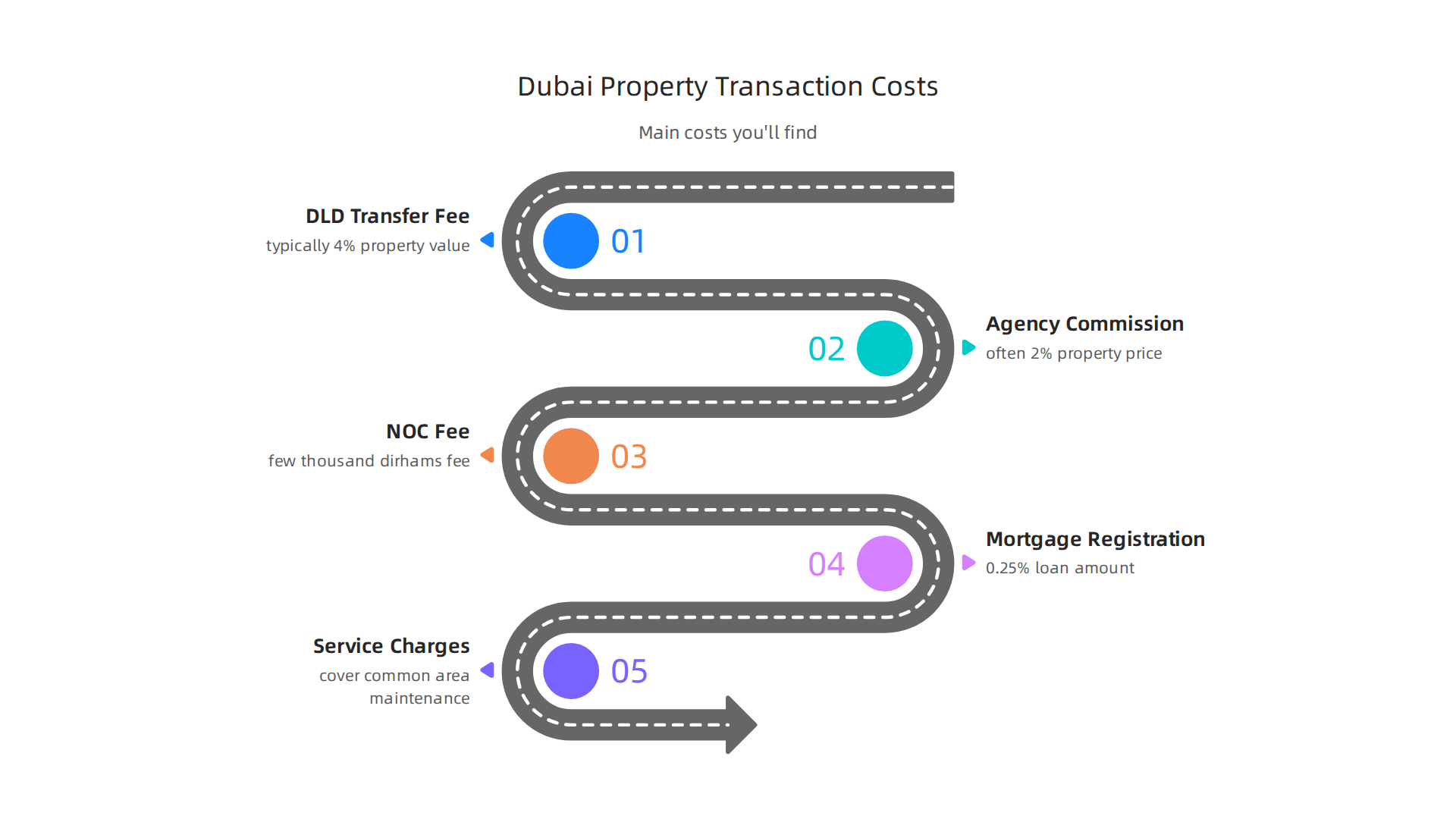
- Dubai Land Department (DLD) Transfer Fee: This is often the biggest cost after the property price itself. In 2026, it’s typically 4% of the property’s value. You also pay a small fee for the registration certificate. The DLD registers all property rights, whether freehold or leasehold, and these fees are part of that process Freehold vs Leasehold in Dubai: DLD Registration (2026).
- Agency Commission: If you use a real estate agent to find your perfect property in Dubai, you’ll usually pay them a commission. This is often around 2% of the property price, plus a small tax called VAT.
- No Objection Certificate (NOC) Fee: Before you can transfer ownership, the developer of the property often needs to give a "No Objection Certificate." There’s usually a fee for this, which can be a few thousand dirhams.
- Mortgage Registration Fee: If you need a loan to buy your property, you’ll also pay a fee to register your mortgage with the DLD. This is usually 0.25% of the loan amount, plus a flat fee.
- Service Charges: After you buy, you’ll have ongoing yearly service charges. These cover the maintenance of common areas like pools, gyms, and shared gardens. While not a transaction cost, they are important for your overall net returns.
Taxes for Property Investors in Dubai
One of the best things about investing in Dubai real estate is the tax situation. For individual investors, Dubai generally has:
- No Property Tax: You don’t pay yearly property taxes based on the value of your home.
- No Income Tax on Rental Income: Any money you earn from renting out your property is usually free from income tax.
- No Capital Gains Tax: If you sell your property for more than you bought it for, you generally don’t pay a tax on that profit.
These tax benefits can really help boost your overall returns. However, the upfront fees, like the DLD transfer fee and agency commission, will impact how much money you make back. When doing an adcp property search or looking at the general uae property index, always remember to add these costs to the listed price to get the full picture.
Understanding all these costs and taxes is a key step to making smart choices in the Dubai property market. If you are uncertain about any aspect of property investment in Dubai, getting expert advice can be very helpful.
Thinking about buying, selling, renting, or investing in Dubai property? Connect with a local expert for guidance.
FREE Dubai Real Estate Consultation
After figuring out all the money matters, like what fees and taxes you’ll pay, the next big step for someone investing from far away is how to handle everything day-to-day. This includes managing the property, finding tenants, and keeping risks low. It’s all about making sure your property in Dubai works for you, even when you’re not there.
Logistics for overseas investors: management, lettings, and risk controls
Managing a property from another country might sound hard, but Dubai has good systems in place to help. Many overseas investors choose to work with a local property management company. These companies can do a lot for you, making sure your investment is looked after.
Expert Property Management Services
A good property management company acts like your eyes and ears on the ground. They take care of many tasks, like finding the right tenants, collecting rent, and handling any fixes that need to be done. They can also manage bills and make sure your property follows all local rules. Using a licensed local property manager is often the easiest way to manage your property in Dubai when you are overseas How to Manage Your Property in Dubai Remotely. They handle everything from checking out new tenants to making sure maintenance is done on time.
Smart Lettings and Tenant Vetting
When it comes to renting out your property, finding good tenants is very important. Property managers usually have strong processes for this. They do background checks, confirm jobs, and make sure people have valid IDs. This helps keep your property safe and ensures you get your rent on time. It is important to know about the 2026 guide to properties to rent in Dubai to understand the market. They also deal with contracts and renewals, making the letting process smooth.
Monitoring Market Signals and Risk Controls
Even with a manager, it’s wise for you to keep an eye on how the market is doing. You can use data from the Dubai Land Department (DLD) and other sources to check things like how many properties are being sold or rented, and how quickly. This kind of data can show you if your property is performing well or if there might be problems, like properties sitting empty for too long. Knowing where to find reliable Dubai Real Estate Data can help you monitor these trends.
To keep risks low, a few things are key:
- Routine Inspections: Your property manager should check your property regularly, perhaps twice a year. This helps catch small issues before they become big, expensive problems. These checks can’t happen remotely; someone needs to be there Managing Your Dubai Property From Abroad.
- Clear Communication: Make sure you and your property manager talk clearly and often. This helps prevent misunderstandings and makes sure any problems are solved quickly.
- Tenant Screening: As mentioned, careful tenant vetting is a huge part of controlling risks. It lowers the chance of problems like missed rent payments or damage to your property.
- Digital Tools: Many management tasks can be done using smart apps or online platforms. Things like digital payments and e-signatures make managing your investment from afar much easier.
By using a trusted property manager and keeping an eye on market information, you can manage your real estate prices in Dubai investment successfully, even if you are thousands of miles away. It’s all about building a reliable support team around your property finder transactions.
Summary
This article explains why transaction-level data from the Dubai Land Department (DLD) is essential for smart property investing in Dubai. Rather than relying on asking or listing prices, investors can use actual sale and rental records to see true volumes, price bands, property types and market momentum; the piece uses 2026 data (for example AED 252 billion in Q1 transactions) to show current trends. It covers how to read transaction records, spot data quality and seasonal distortions, rank neighbourhoods by transaction velocity and price change, and combine sales and rental data to estimate yields and cash-on-cash returns. The guide also explains ownership types (freehold vs leasehold), key purchase costs (like the typical 4% DLD transfer fee), and practical steps for overseas investors to manage lettings and control risk. After reading, you will understand where to find reliable data, how to interpret it to choose the right neighbourhood and property type, and how to budget and manage investments for better ROI in Dubai.