Introduction
When people think about UAE property investment, Dubai usually gets all the attention. And that makes sense. Dubai has flashy towers, luxury malls, and a global reputation. But there is another emirate that deserves a closer look in 2026.
Sharjah is quietly becoming one of the smartest places to invest in real estate in the UAE.

The prices are lower, the rental yields are strong, and the city offers a unique cultural appeal that you will not find anywhere else.
So what does the market look like right now? As of 2026, the average residential property price in Sharjah is around AED 1.25 million according to Property Price Forecasts Sharjah (2026). That is roughly USD 340,000. To put that in context, Dubai prices are much higher, with average costs per square foot often exceeding AED 1,900. For investors who want solid returns without the high price tag, Sharjah makes a lot of sense.
The city is also growing fast. New roads, schools, and shopping centers are changing the landscape. And the government has made rules that are friendly to foreign buyers. This combination of low prices, good returns, and modern growth is drawing attention from investors around the world.
In this guide, we will walk you through everything you need to know about real estate in Sharjah. You will learn about the legal steps, the best areas to buy, and the strategies that work best in 2026. If you are also exploring a villa in Ajman for sale or want to compare top real estate companies in UAE, this article is for you.
For a complete overview of how the Dubai side compares, check out our Dubai real estate market 2026 guide.
Ready to take the next step? Get a FREE Dubai Real Estate Consultation to speak with an expert who can help you find the right property for your goals.
Real Estate Sharjah Market Overview and Growth Drivers
You might wonder why Sharjah is heating up in 2026. It is not just about low prices. The city is changing from the inside out.
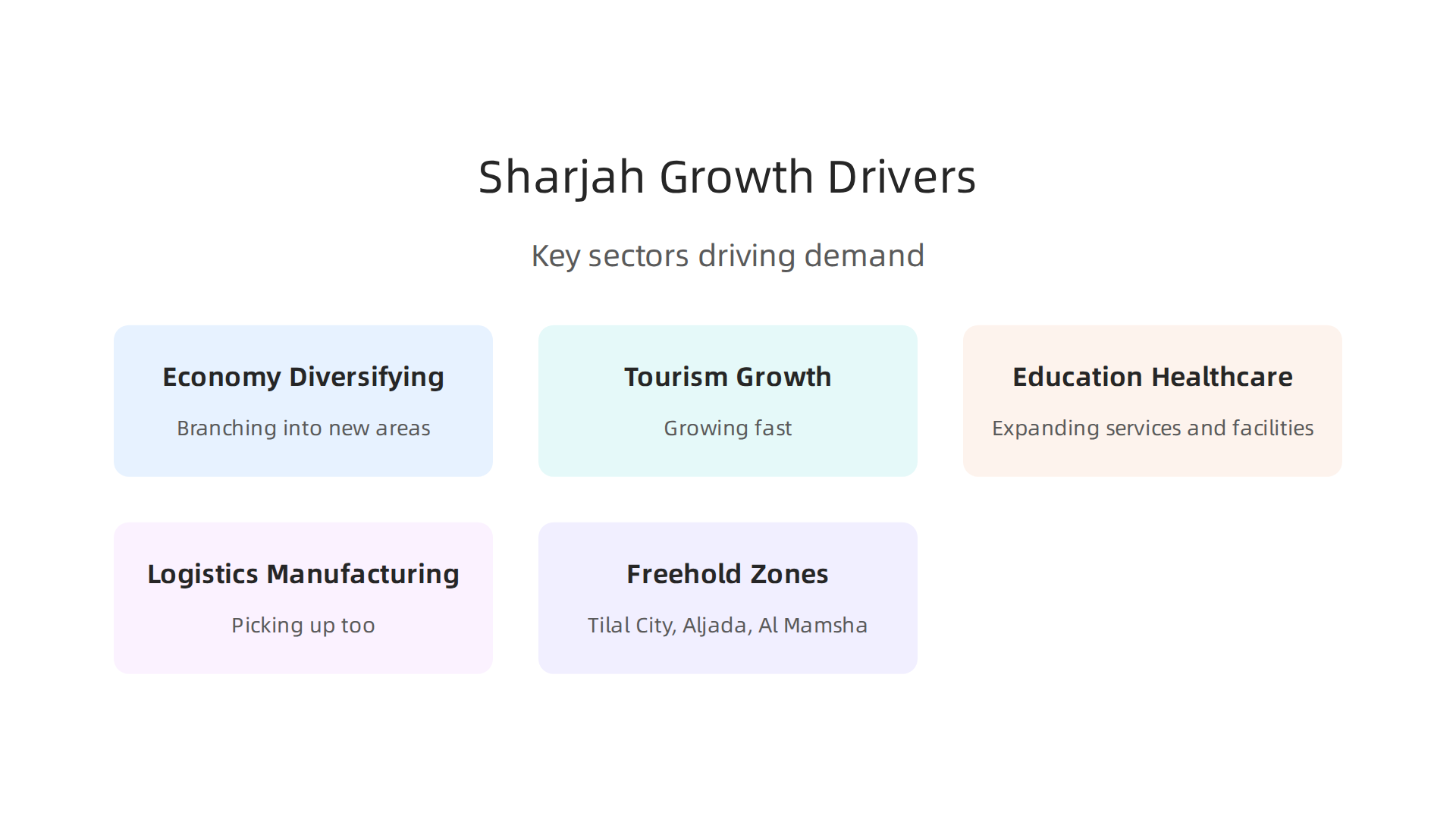
Sharjah used to be known mostly as a cultural and family-friendly emirate. But now, its economy is branching out into new areas. Tourism is growing fast. Education and healthcare are expanding. Logistics and manufacturing are picking up too. This mix creates more jobs and brings more people to the city.
More people means more need for homes. And that is pushing up demand for real estate in Sharjah.
According to the latest Sharjah Real Estate Market Forecast 2026, demand from expatriates and foreign investors is a major force behind this growth. The report shows that the total value of real estate transactions hit historic highs by the end of 2025, and activity has stayed strong into 2026.
Big Infrastructure Projects Are Changing the Game
Another powerful driver is the new infrastructure being built across the emirate. The Sharjah Airport Free Zone is one example. It attracts international businesses and creates jobs right near the airport. Better road networks are also making it easier to move around. New highways connect Sharjah to Dubai and other emirates faster than before.
These projects do more than just look good. They raise property values in surrounding areas. When a free zone or a wide new road opens nearby, homes and offices become more valuable. Smart investors in real estate in Sharjah pay close attention to where these projects are happening.
For example, areas near the airport and along new transport routes are seeing price increases. If you compare this to the Dubai side, you will notice similar patterns. Many investors who start with a uae property investment in Sharjah later explore options in Dubai too. That is why checking out a guide on buying property in Dubai for high returns can help you compare both markets side by side.
The bottom line is clear. Sharjah is not just a budget option anymore. It is a growing market with real momentum. The economy is diversifying, and the government is spending on roads and free zones that make the city more attractive to live and invest in. If you are looking for a place with lower entry costs and solid growth potential, this is a market to watch.
Legal Framework for Foreign Investors: Ownership Laws and Freehold Zones
If you are a foreign investor, you might wonder if you can actually own property in Sharjah. The good news is yes, you can. But the rules are a bit different from Dubai. Understanding these laws is key before you put any money down.
Sharjah used to restrict property ownership mostly to UAE and GCC nationals. That has changed in recent years. The government now allows foreigners to buy property in specific freehold zones. This means you get full ownership rights, just like a local. You can sell, rent, or live in the property without any extra permissions.
The main body that handles all this is the Sharjah Real Estate Registration Department (SRERD). This department oversees every transaction from start to finish. They make sure everything is legal and transparent. So you do not have to worry about hidden problems or fake deals.
Where Can You Buy as a Foreigner?
Not every area in Sharjah is open to foreign ownership. You can only buy freehold properties in designated zones. The most popular ones in 2026 are:
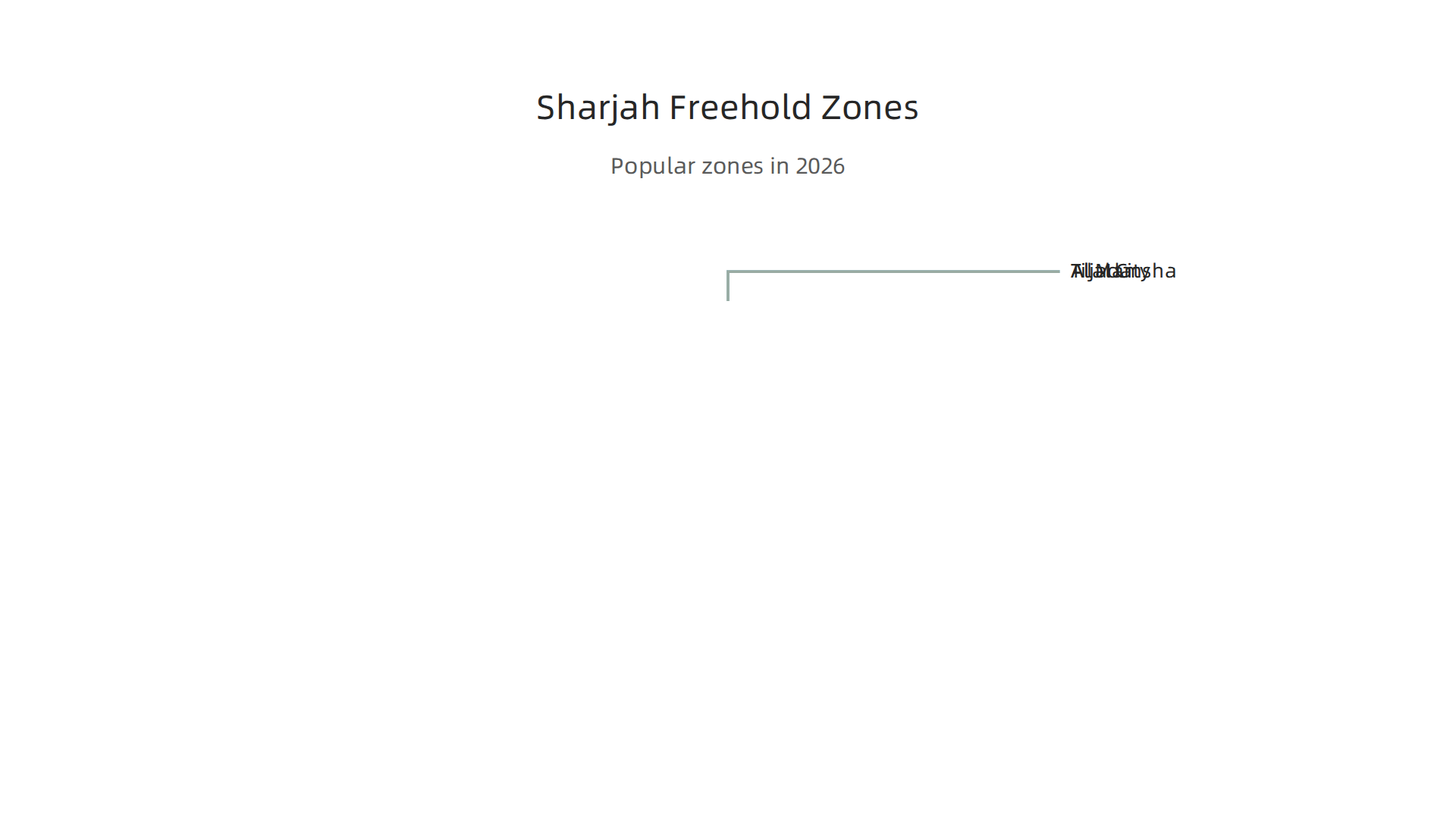
- Tilal City – A large mixed-use community with homes and shops
- Aljada – A modern development with apartments and townhouses
- Al Mamsha – A walkable neighborhood designed for families
These areas are built specifically for the freehold market. They offer good infrastructure and are close to main roads. Many expats choose these zones because they feel like modern communities.
Foreigners from 121 different nationalities have already bought property in these freehold areas. The demand keeps growing. If you are interested in real estate sharjah, these zones are the safest bet for foreign buyers.
How the Process Works
Buying property in Sharjah is straightforward. You first pick a property in a freehold zone. Then you sign a sale agreement. After that, the SRERD registers the ownership in your name. The whole process usually takes a few weeks.
A key thing to know is that you do not need a local partner or sponsor. You own the property 100% on your own. This makes it much simpler compared to some other countries.
For a deeper look at the rules, check out this complete guide on property ownership for foreigners in Sharjah. It explains all the details in plain language.
Why This Matters for Your Investment
The legal changes in Sharjah have opened the door for many investors. You can now buy a home or an investment property with full ownership. And the prices are still lower than in Dubai. This makes Sharjah a smart choice if you want to start small but grow big.
Once you own property in Sharjah, you can also look at options in other emirates. Many investors start here and then move to Dubai for bigger returns. If you want to compare both markets, you can read this guide on buying property in Dubai in 2026 for tax free rental yields and capital appreciation to see what is possible next.
The bottom line is clear. Sharjah now has a solid legal system for foreign buyers. The freehold zones are growing fast. And the SRERD makes sure everything is fair and clear. So if you are ready to invest, you can do it with confidence.
And if you ever need help navigating the Dubai market too, do not hesitate to reach out for a FREE Dubai Real Estate Consultation. It is a good way to get personalized advice for your specific goals.
Top Investment Areas in Sharjah: Where to Buy in 2026
You already know the legal rules for buying in Sharjah. Now comes the fun part. Picking the right neighborhood. Not all areas perform the same. Some give you better rental income. Others offer bigger long-term gains. Here are the top spots to consider in 2026.
Al Majaz: Waterfront Living with High Rental Demand
Al Majaz sits right on the water. The views are beautiful. The lifestyle is calm. Families and professionals both love it here.
Rental demand stays strong all year. Tenants want to live close to the corniche, parks, and restaurants. If you buy an apartment in Al Majaz, you will likely find a renter fast. The prices are higher than in other parts of Sharjah. But the rental income is steady and reliable.
This area also has good schools, shops, and hospitals nearby. For expats, it is one of the most balanced places to live. The list of top areas for expats to buy property in Sharjah puts Al Majaz near the top for good reason.
Aljada: New Community with Strong Growth Potential
Aljada is a megaproject on the eastern side of Sharjah. Everything here was built fresh from the ground up.
Wide roads. Modern buildings. Parks and pools inside the community. It feels nothing like the older parts of the city.
Prices in Aljada have gone up steadily since the project launched. In 2024 and 2025, the growth was clear. Many experts expect this trend to continue through 2026 and beyond. If capital appreciation is your goal, Aljada is a strong pick. The best areas for property investment in Sharjah highlight Aljada as a top choice for long-term gains.
Another big advantage. Aljada sits close to the Dubai border. You pay Sharjah prices but you stay near Dubai. This makes it popular with commuters who work in Dubai and want lower housing costs.
Other Areas Worth Your Time
Al Mamsha is a walkable community with shops and cafes on the ground floor. It feels like a small European town. Families love the layout. Muwaileh offers more affordable prices for first-time buyers. Al Khan has older but bigger apartments near the water.
Sharjah vs. Dubai: Where Does Your Money Go Further
Sharjah prices are still much lower than Dubai. You can buy a larger apartment or even a villa in Ajman for sale for the same money as a small studio in Dubai. That is a big deal if you want more space for your money.
Dubai does offer higher rental yields in certain areas. Many smart investors buy in Sharjah first for affordability. Then they move to Dubai for bigger returns. If you want to compare both markets, reading a step by step guide for smart investors can help you see the full picture.
The bottom line for 2026 is simple. Al Majaz gives you steady rental income. Aljada gives you growth potential. Pick based on your personal goals. Either way, Sharjah is a solid market to be in.
Rental Yields and ROI: How Sharjah Compares to Other Emirates
You already know Sharjah offers lower entry prices than Dubai. But what about the money you make back each year? That is where the numbers get interesting.
Rental yields measure how much annual rent you earn compared to the property price. In 2026, Sharjah apartments deliver average yields of 7 to 8 percent. For similar properties in Dubai, the average sits closer to 5 to 6 percent. That difference adds up fast.
Let me give you a simple example. You buy a one-bedroom apartment in Sharjah for AED 500,000. At 7 percent yield, you earn AED 35,000 in rent yearly. A similar apartment in Dubai might cost AED 800,000. At 5.5 percent yield, you earn AED 44,000. You pay 60 percent more money for only 25 percent more rent. That is why many smart investors look at Sharjah first.
The overall real estate market in Sharjah has been firing on all cylinders. In the first quarter of 2026, total trading value reached AED 18.5 billion. That is a big jump from the year before. Strong demand from both locals and expats keeps rental prices high and vacancy rates low.
Capital appreciation is another story. Areas like Aljada have seen prices rise faster than many Dubai neighborhoods in the last two years. If you bought in Aljada in early 2024, your property value might have gone up by 15 to 20 percent by now. That kind of growth is hard to find in Dubai at the same price point.
So how does Sharjah stack up against other emirates? Abu Dhabi yields average around 5 to 6 percent for apartments. Ajman offers similar numbers to Sharjah but with smaller pools of tenants. Dubai gives you more options for luxury and branded residences, but the higher purchase price eats into your yield.
The table below shows a quick comparison:
| Emirate | Average Apartment Rental Yield (2026) |
|---|---|
| Sharjah | 7% – 8% |
| Dubai | 5% – 6% |
| Abu Dhabi | 5% – 6% |
| Ajman | 6% – 7% |
Sharjah clearly leads for pure rental return.

But yield is only half the picture. You also need to think about tenant quality, property management, and future demand.
If you are considering buying in Dubai for its lifestyle and long-term potential, understanding these numbers helps you make a smart choice. You can compare both markets with a detailed Dubai real estate market 2026 guide that covers yields, taxes, and visa benefits.
The bottom line? Sharjah gives you higher rental income for your investment dirham. Dubai gives you more resale liquidity and luxury options. Your personal goals decide which one wins.
Still not sure which market fits your budget and return targets? Get personalized advice from someone who knows both sides. Reach out for a FREE Dubai Real Estate Consultation and compare your options side by side.
Tax Benefits and Cost Breakdown of Buying Property in Sharjah
So you have seen how Sharjah beats most other emirates on rental yields. But how much does it actually cost to buy there? And what taxes do you pay? This is where Sharjah shines even brighter.
Let me break it down simply. Sharjah has no property tax. No capital gains tax. No income tax on the rent you collect. That means every dirham you earn from your rental income stays in your pocket. Compare that to countries where you lose 20 to 30 percent of your rental income to taxes each year. The difference is huge.
New investors often worry about hidden costs. But in Sharjah, the one-time buying fees are straightforward and low. You pay a 4 percent transfer fee to the Sharjah Real Estate Registration Department. On a AED 500,000 apartment, that is AED 20,000. You also pay a small registration fee, usually around AED 2,000 to AED 4,000 depending on the property value. And you pay your agency commission, which is typically 2 percent of the purchase price.
That is it. No annual property tax. No yearly municipality tax. No surprise bills.
These low costs make Sharjah especially attractive for foreign buyers.
Before 2022, foreigners could only lease in most areas. But new laws now let expats buy freehold in designated zones like Aljada, Muwaileh, and Al Zahia. You can learn more about the updated rules for property ownership for expats in Sharjah to see which areas are open to you.
When you compare to Dubai, the cost structure is similar but not identical. Dubai also has no property tax or capital gains tax. But Dubai’s transfer fee is 4 percent too, plus a small registration fee. The real difference is in the purchase price. Because Sharjah prices are lower, your total upfront cost is smaller.
If you are also considering Dubai for its stronger resale market, understanding the tax benefits there can help you decide. Check out this guide on luxury property in Dubai with tax-free ownership and high rental yields to compare both options.
The bottom line on costs? Sharjah gives you a tax-free investment with low one-time fees and a lower entry price. That combination is hard to beat for anyone looking to maximize their returns from day one.
Step-by-Step Guide: How to Buy Property in Sharjah as a Foreigner
So you know the costs are low and the tax benefits are real. Now let’s walk through the exact steps to buy your place in Sharjah. The process is simpler than you might think. And yes, foreigners can absolutely buy freehold property in designated areas.
Step 1: Find your property and sign a Memorandum of Understanding (MoU).
Start by looking at the freehold areas open to expats. These include Aljada, Muwaileh, Al Zahia, and Sharjah Sustainable City. You can find a full list of the top areas for expats to buy property in Sharjah so you know where to focus your search.
Once you pick a property, you and the seller sign an MoU. This is a simple agreement that states the price, payment terms, and any conditions. You put down a deposit, usually 10 percent of the purchase price. This shows you are serious. The MoU gives you time to finish the paperwork without someone else jumping in.
Step 2: Get a No Objection Certificate (NOC) from the developer and register with SRERD.
If you are buying from a developer off plan, the developer must issue an NOC. This confirms they have no claims against the property and agree to the transfer. If you are buying a ready property from an individual owner, the process is similar but the seller arranges the NOC.
After you get the NOC, you register the sale with the Sharjah Real Estate Registration Department (SRERD). This is where you pay the 4 percent transfer fee we talked about earlier. The SRERD then issues a title deed in your name. That is your proof of ownership. The whole registration process usually takes one to two weeks.
You can read more about the full property ownership for foreigners in Sharjah to see the legal details.
That is basically it. No long waiting periods. No confusing government hoops. Just a clear three-part process: find, sign, register.
If you are also thinking about Dubai as a backup option, we have a complete guide on buying property in Dubai for investors that breaks down the whole process there too.
And if you would like personalized help comparing your options across both emirates, feel free to reach out for a FREE Dubai Real Estate Consultation with an expert who knows both markets well.
Risks and Mitigation Strategies for Sharjah Property Investors
No investment is risk free. Even a market as steady as Sharjah has its ups and downs. The good news? Most risks are manageable if you know what to look for. Let’s talk about the two biggest ones and how to handle them.
Market volatility is real, but diversification helps.
The Sharjah property market is growing fast. In Q1 2026 alone, the sector saw AED 18.5 billion in transactions with 113 different nationalities investing. You can see the full details in the Sharjah real estate market growth in Q1 2026 report. Those are strong numbers. But strong growth can also lead to price swings.
So how do you protect your money? Spread it around. Do not put everything into one project or one area. Look at different freehold zones like Aljada, Al Zahia, and Muwaileh. Mix property types too. A villa in one area and an apartment in another can balance each other out. Some smart investors also consider nearby markets. For example, a villa in Ajman for sale might offer a different price point and risk profile that complements your Sharjah holdings. That is diversification in action.
Developer due diligence can save you from big headaches.
The second big risk is choosing the wrong developer. Delays, poor quality, and legal disputes can turn a good investment into a nightmare. This is especially true for off-plan purchases. Many buyers in the Sharjah community have shared their experiences and warnings about off-plan property risks in Sharjah that are worth reading before you commit.
Always check the developer’s history. Have they delivered projects on time before? Talk to past buyers. Visit completed projects if you can. And never skip the title deed check with the Sharjah Real Estate Registration Department. Make sure the property has no debts or legal claims against it.
If you’re also looking at Dubai as an option, you can learn a lot from how to choose the best property developers in Dubai because many of the same principles apply in Sharjah.
A little homework upfront saves you from big losses later. Know the risks. Plan for them. And your uae property investment will be much safer for it.
Summary
Sharjah is emerging in 2026 as a compelling, lower-cost alternative to Dubai for property investors, offering strong rental yields, growing infrastructure and new freehold zones open to foreigners. This guide reviews current market dynamics, key growth drivers like free zones and transport links, and the legal framework that allows non-UAE nationals to buy in designated areas such as Aljada, Tilal City and Al Mamsha. You will learn practical steps to buy property — from signing the MoU and securing the developer NOC to registering with the Sharjah Real Estate Registration Department — plus clear cost breakdowns (including the 4% transfer fee), typical rental yields (around 7–8%) and where to expect capital appreciation. The article also compares Sharjah with Dubai on price, yields and liquidity, highlights top neighbourhoods for different goals, and outlines common risks and how to mitigate them. After reading, you’ll know which areas suit rental or growth strategies, the paperwork and timeline to expect, and when to consider expanding into Dubai for diversification.