
Why Dubai — and Why Now? Framing the Investment Opportunity
Dubai has long been a bright spot for people looking to invest property, and in 2026, it continues to shine. This city is not just a famous tourist spot; it’s a very active place for real estate investments in Dubai. Many different kinds of people are looking to buy property here.

This includes people who live in Dubai, people from other countries who move here (expats), very rich individuals (HNWIs), and big companies. They all see the value in putting their money into Dubai’s growing property market.
One big reason to look at Dubai now is its strong economy and growing population. The real estate market here has been doing very well. For example, in the first three months of 2026, Dubai saw 42,800 property deals, and the total value of these deals went up by 18% compared to last year.
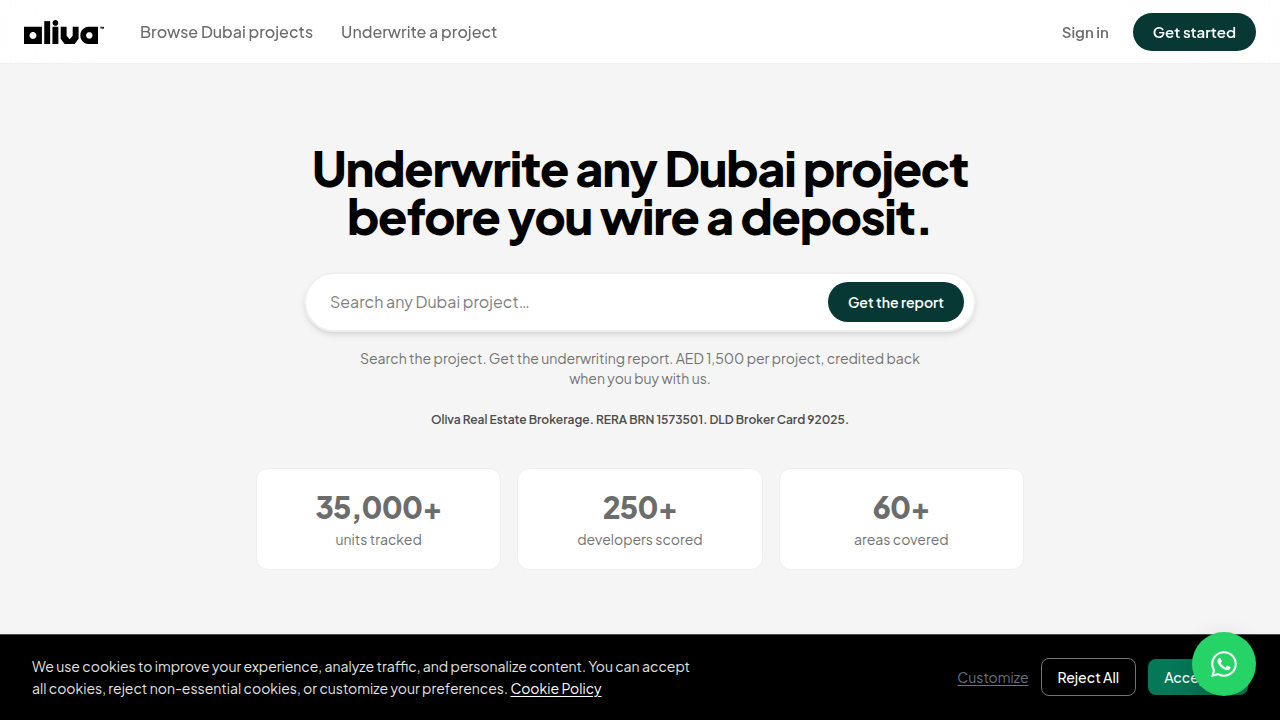
This shows a lot of excitement and trust in the market Dubai Property Market 2026 Year in Review. Property prices are expected to keep going up by about 3-8% this year, which is a good sign for those who want to invest property for future gains Dubai Real Estate Market Report 2026: Q1 Data & Outlook.
What Kind of Property Can You Invest In?
Dubai offers many types of property, and the best way to invest depends on what you are looking for. Here are some main types:
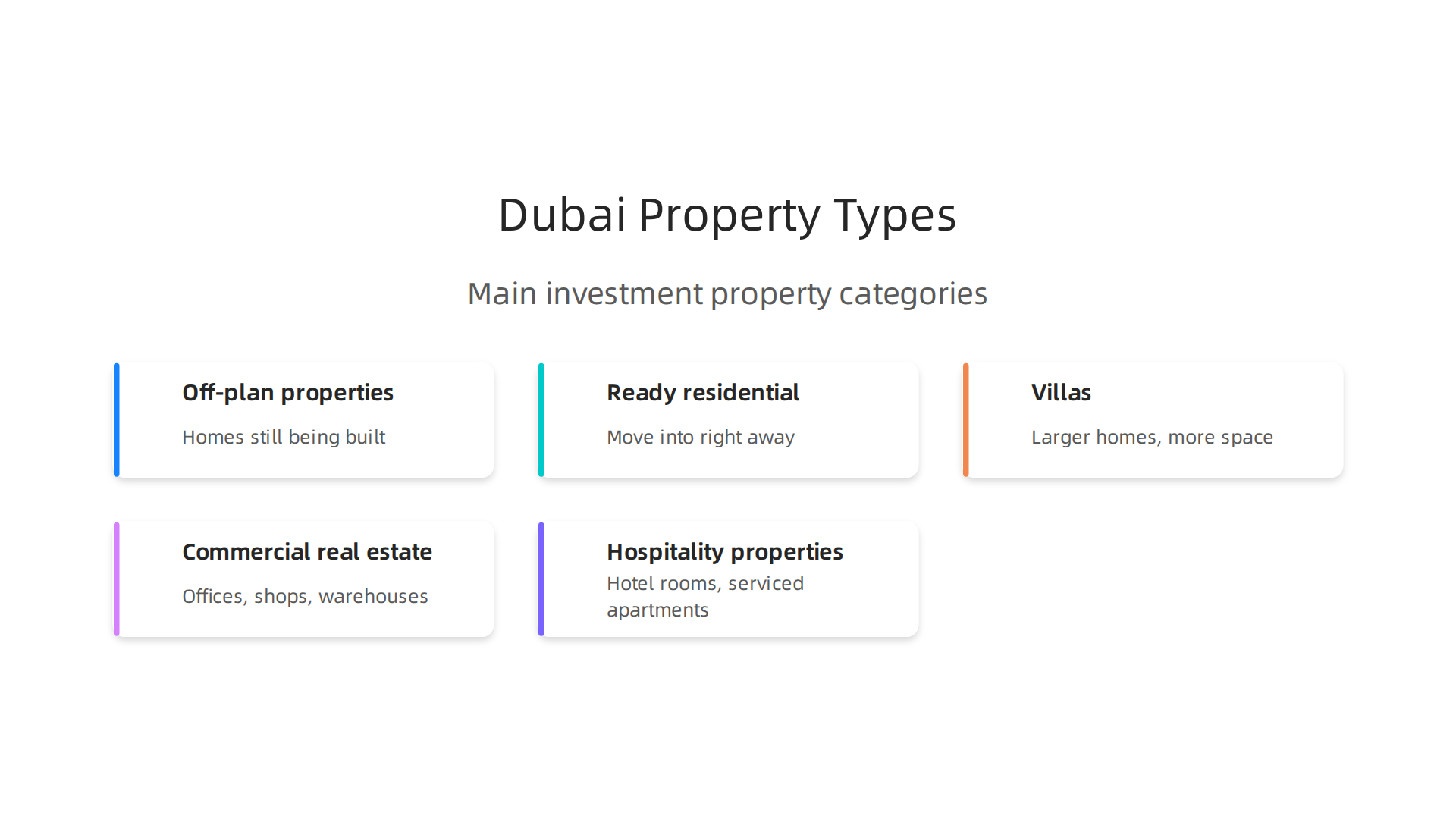
- Off-plan properties: These are homes that are still being built. You buy them before they are finished. This can be a good way to get a lower price and see your investment grow as the building gets closer to being done.
- Ready residential properties: These are homes you can move into right away, like apartments and villas. They are good if you want to start earning rent income quickly or if you are looking for a place to live yourself. Dubai’s rental market is strong, with apartments offering an average gross rental yield of 6.9% as of mid-2026 Dubai Housing Market 2026: Mid-Year Review & Outlook.
- Villas: These larger homes offer more space and privacy, often with gardens or pools. They are popular with families and high-net-worth individuals.
- Commercial real estate: This includes offices, shops, and warehouses. It’s a different kind of investment that can offer steady income, especially if you plan to rent out spaces to businesses.
- Hospitality properties: Think about hotel rooms or serviced apartments. These are for investors who want to be part of Dubai’s booming tourism industry.
Each type of property needs a different plan for how to invest property successfully. Real estate investors Dubai need to think about their goals, like how much money they want to make and how long they want to hold onto the property. Understanding these choices is the first step for anyone looking to make smart real estate investments in Dubai.
To get personalized advice on how to invest in Dubai’s promising real estate market, consider speaking with an expert.
FREE Dubai Real Estate Consultation
For more detailed information on making the most of your investment, you can also explore our guide on the Dubai Real Estate Market 2026: A Guide to Buying Property and Maximizing Returns.
Dubai’s real estate market is always changing, and understanding these changes helps real estate investors Dubai make smart choices.

A big part of why Dubai is so strong for real estate investments in Dubai is because more and more people are moving here. This includes people looking for new jobs, families coming for the good schools and safe environment, and many tourists visiting the city.
This growth in people means there’s a higher demand for places to live and work. When more people want to rent or buy homes, prices tend to go up. This is good news for those who invest property. For instance, the number of people living in Dubai and the many visitors mean rental homes are always in demand. Also, many big companies are moving their offices to Dubai, which boosts the need for commercial real estate. This constant demand helps keep property values steady and growing United Arab Emirates’ Residential Property Market Analysis 2026.

When you think about how to invest property, it’s wise to look at both the quick changes and the long-term trends. Sometimes, prices might go up or down a little in the short term, but Dubai’s market is known for being quite stable over time. Experts in 2026 suggest that demand from people who live here, those with long-term visas, and international buyers will keep prices supported Will Dubai Property Prices Rise or Fall in 2026? Market Forecast. This means that if you’re looking to hold onto a property for many years, you can expect steady gains.
Your investment strategy should match your goals. If you want to make money quickly, you might look at off-plan properties that can increase in value as they are built. However, if you’re looking for steady income over a longer period, ready residential properties or even commercial real estate might be better, offering regular rental payments. Thinking about how long you plan to keep the property and what you want it to do for you will help you pick the right type of real estate investment in Dubai. For more detailed insights into making smart investment decisions, you can explore our guide on Dubai property research 2026 data-driven insights for smart investors.
Strategies by Property Type: Off‑plan, Ready Residential, Villas, and Hospitality
Picking the right kind of property is a big step for real estate investors Dubai. Your choice depends on what you want to achieve. Do you want money now, or do you want your investment to grow a lot over many years? Let’s look at different types of properties and who they are best for.
Off‑plan Properties: For Growth Over Time
Off-plan properties are homes or buildings that are still being built. You buy them before they are finished. This choice is often good for real estate investments in Dubai if you want your money to grow a lot. When you buy off-plan, you usually pay less than for a finished home. You also get easy payment plans where you pay in small steps while the building goes up.
The main idea here is that the value of the property can go up a lot from when you buy it to when it’s ready. Some experts say off-plan properties can see significant value increases by the time they are handed over to buyers. For example, some off-plan units are expected to offer 15% to 25% appreciation by handover, and sometimes even more during construction. This is a great way to invest property for strong capital growth. However, you won’t get rent money while it’s being built.
If you are thinking about this type of real estate investment in Dubai, make sure to check the company building the property. It’s smart to look into their past projects and make sure they are reliable
How to Verify a Dubai Developer’s Reputation: Complete Checklist. This helps ensure your investment is safe. For more tips on this, you can learn how to invest in Dubai off plan properties in 2026 for maximum returns.
Ready Residential Properties: For Immediate Income
Ready residential properties are homes that are already built and ready for someone to live in or rent out right away. This includes apartments and villas. If you want to start earning money from rent quickly, this is a good choice.
Ready properties give you rent money from day one. In 2026, many parts of Dubai offer good rental returns, like Jumeirah Village Circle (JVC) where yields can be around 7.5%, and Business Bay, which sees about 6.2% Dubai Off-Plan vs Ready Property 2026 – The Middle East Insider. This steady income is great for real estate investors Dubai who need regular cash flow. While the value might not grow as fast as off-plan in some cases, it’s a more stable and predictable way to invest property.
Villas: Family Homes with Good Returns
Villas are a special type of ready residential property. They are often bigger homes with more space, appealing to families. Areas like Arabian Ranches have villas that offer rental yields of 4% to 5% each year, because many families want to live in these established communities with good schools Off-Plan vs Ready Property in Dubai: Which is Better in 2026?. If you want to cater to families and prefer a larger home investment, villas can be a great option. Learn more about 4 bedroom villas for sale in Dubai.
Hospitality Properties: A Different Kind of Commercial Real Estate
Hospitality properties, like hotel apartments or serviced residences, are another way to invest property. These are often managed by hotel companies, so you don’t have to deal with finding tenants or maintenance yourself. They can offer good returns, especially with Dubai’s many visitors. This is a form of commercial real estate that gives investors a hands-off way to earn income from the tourism industry.
Choosing the Right Strategy
When you decide how to invest property, think about:
- How long you want to keep the property: If it’s for many years, off-plan might give you big gains. If it’s for shorter terms, ready properties offer quicker returns.
- How much money you have to start: Off-plan often has lower starting payments, but ready properties need more money upfront.
- How much risk you are okay with: Ready properties are usually less risky because you can see them finished and rent them out right away. Off-plan has a bit more risk as you wait for completion.
No matter your goals, understanding these choices helps you pick the best real estate investments in Dubai.
If you’re looking for expert guidance tailored to your specific investment goals, we can help.
Connect with Ayaz Salman for a FREE Dubai Real Estate Consultation.
When you decide to invest property in Dubai, understanding the rules about who can own what and how is super important. It’s not just about picking an apartment or a villa; it’s about knowing the legal framework that protects your real estate investments in Dubai. This also includes how buying property can help you get a visa to live there.
Different Ways to Own Property in Dubai
For real estate investors Dubai, there are two main ways to own property: freehold and leasehold.
These matter a lot for international buyers.
Freehold Ownership
When you buy a freehold property, it means you own the property completely. This includes the building itself and the land it sits on, forever. You can sell it, rent it out, give it to your children, or make changes to it without special time limits Freehold vs Leasehold in Dubai: What Buyers Must Know. This is the strongest type of ownership.
However, non-UAE citizens can only buy freehold property in special areas called "designated zones" Dubai Property Laws for Foreign Investors: Legal Guide 2026.
These zones include popular spots like Dubai Marina, Downtown Dubai, and Palm Jumeirah Property Foreign Ownership Dubai (2026) – Sands Of Wealth. If you’re looking for full, lasting control over your asset, freehold is usually the way to go.
Leasehold Ownership
Leasehold ownership is different. With leasehold, you get the right to use and live in a property for a certain number of years, usually up to 99 years Freehold vs Leasehold Dubai 2026: Complete Ownership Guide. You don’t own the land itself; that stays with the original owner. It’s like a very long-term rental agreement that you can still sell. Leasehold properties might cost less upfront than freehold ones, but they aren’t permanent.
For foreign buyers, it’s key to know these differences. You can learn more about how to navigate the whole buying process in a complete guide how to buy property in Dubai for investors.
Property Purchase and Visa Options
One big benefit for real estate investors Dubai is that buying property can help you get a visa to stay in the UAE.
- Investor Visas: If you invest enough money in property, you can apply for an investor visa. As of May 2026, Dubai removed the AED 750,000 minimum property value for a 2-year renewable investor visa Dubai Investor Visa 2026 Update: No Minimum Property …. This makes it easier for many more people to get a visa by buying property.
- Golden Visa: For even larger investments, you might be able to get a Golden Visa, which offers a longer-term residency, usually for 10 years. This visa brings many benefits for those who want to make Dubai their long-term home or business base.
These visa options are a huge draw for international buyers, turning a smart property investment into a pathway for residency. Understanding these connections is important for anyone looking to invest property in Dubai. For detailed insights on this, explore the benefits of buying property in Dubai in 2026 for tax-free rental yields and visa benefits.
Key Legal Steps
When you decide to buy property, there are important legal checks. You’ll need to work with the Dubai Land Department (DLD) to register your property. This makes sure your ownership is official and safe. It’s also smart to understand Dubai Property Laws for Foreign Investors: Legal Guide 2026 to avoid any surprises.
Making sure all your paperwork is correct and understanding the laws will help you invest property smoothly and safely in Dubai.
If you have more questions about ownership or visas, getting expert advice can make a big difference. Connect with Ayaz Salman for a FREE Dubai Real Estate Consultation.
When you decide to invest property in Dubai, knowing how to pay for it and what costs are involved is just as important as understanding ownership rules. This helps you plan your money wisely and see how much you can really earn from your real estate investments in Dubai.
How to Finance Your Property in Dubai
There are two main ways to finance your property purchase in Dubai: getting a local mortgage or using a payment plan directly from a property developer.
Local Mortgages
Many people, including those from other countries, get a mortgage from a bank in Dubai. A mortgage is a loan you get to buy a home, and you pay it back over many years. How much money a bank will lend you depends on a few things, like if you live in the UAE or not, if it’s your first property, and the total cost of the property. This is called the Loan-to-Value (LTV) ratio.
In 2026, the rules for LTV are clear:
- For expats living in the UAE buying their first home, if the property costs less than AED 5 million, banks can lend up to 80% of its value. If the property costs AED 5 million or more, they can lend up to 70%.
- If you’re an expat buying a second home or an investment property, you can usually borrow up to 60% of the property’s value, regardless of its price.
- For people who don’t live in the UAE (non-residents), banks usually lend between 50% and 65% of the property’s value for a first purchase UAE Mortgage Caps for Residents and Non-Residents (2026 Central Bank Rules). This means you need a bigger down payment.
Getting a mortgage means you’re using "leverage." Leverage can help you buy a bigger property than you might with just your own cash, which can lead to higher returns if the property value goes up. But it also means more risk, as you have to make those loan payments.
Developer Payment Plans
Another way to finance, especially for properties that are still being built (called "off-plan" properties), is through developer payment plans. With these plans, you pay parts of the total cost over time, directly to the developer, instead of getting a bank loan right away. For off-plan purchases, the maximum loan-to-value for all buyers, regardless of nationality, is typically 50% Dubai Mortgage Eligibility 2026: Salary, LTV & Fees. This can be helpful if you want to invest property but prefer not to get a bank loan from the start.
Taxes and Fees in Dubai
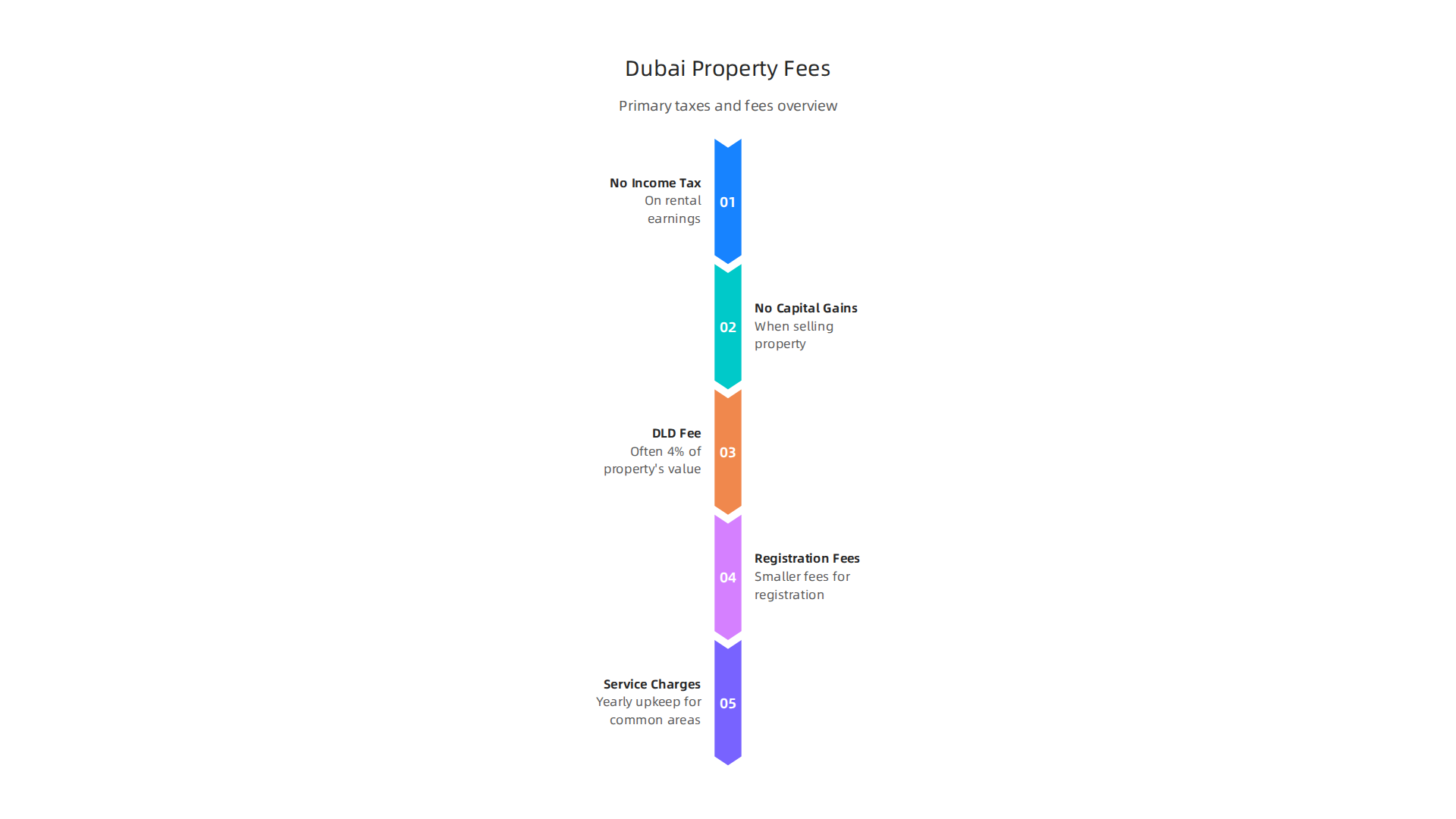
One of the big reasons why real estate investors Dubai love the market is because of its simple tax system. Dubai doesn’t have income tax on rental earnings or capital gains tax when you sell your property.
This can make a big difference when you calculate your profits.
However, there are some fees you will pay:
- Dubai Land Department (DLD) fees: When you buy a property, you usually pay a DLD fee, which is often 4% of the property’s value. This is a one-time fee to register your ownership.
- Property registration fees: There are also smaller fees for things like mortgage registration or changing ownership.
- Service charges: If you buy an apartment or villa in a community, you’ll pay yearly service charges for the upkeep of common areas like pools, gyms, and gardens.
When you look at other countries, Dubai’s tax and fee profile is often much lower, which means more money stays in your pocket. This is a key benefit for those making real estate investments in Dubai.
Modeling Your Returns
To see if your investment will be profitable, you need to model your returns. This means figuring out how much money you’ll make and how much it will cost.
- Cash flow: This is the money you get from rent each month, minus all your running costs like service charges, maintenance, and mortgage payments. Positive cash flow means you’re earning money regularly.
- Capital appreciation: This is how much your property’s value grows over time. If you buy a property for AED 1 million and sell it for AED 1.2 million a few years later, you’ve made AED 200,000 in capital appreciation.
By looking at both cash flow and capital appreciation, you can get a good idea of your total return on investment. For more information on how you can get the most out of your purchase, check out our guide on why Dubai real estate investment delivers high returns and visa benefits. Understanding these numbers helps you make smart choices and grow your money in the Dubai property market.
Knowing how much money you might make from your real estate investments in Dubai is great. But it’s also smart to think about possible problems and how you can sell your property when you need to. This part will help you understand how to manage risks and plan your selling options.
Common Risks When You Invest Property
Every investment has some risks, even in a strong market like Dubai. Here are a few things to watch out for:
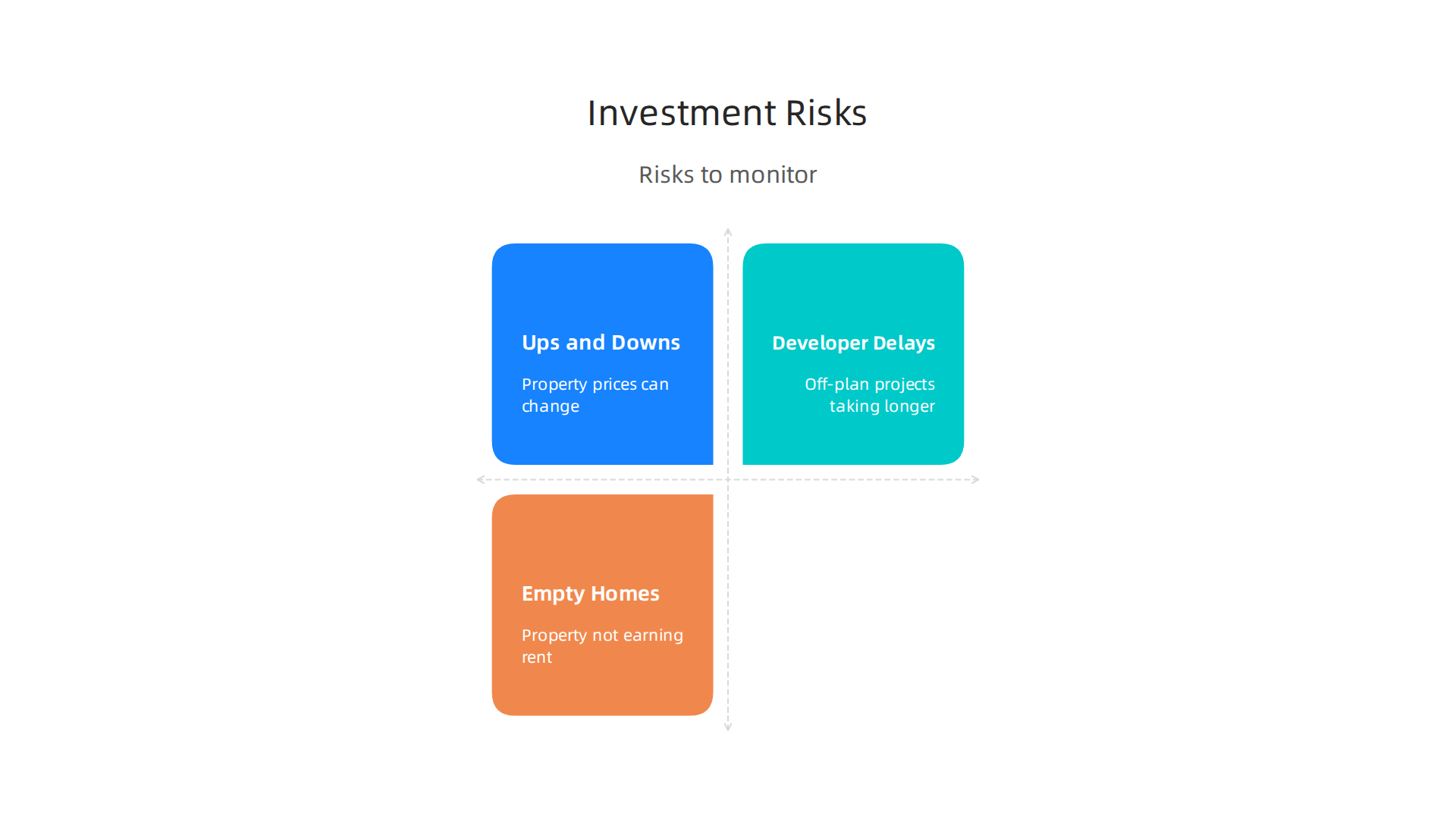
- Market Ups and Downs: Property prices can go up, but they can also go down. This is called a market correction. While Dubai’s market has been growing, it is always wise to remember that market values can change. For example, some data from 2026 shows that off-plan properties often give higher capital appreciation by the time they are ready. Meanwhile, ready properties give immediate rental income and consistent growth based on market basics Off-Plan vs Ready Property in Dubai | 2026 ROI.
- Developer Delays: If you buy a property that is still being built (off-plan), there’s a chance the builder might take longer than planned. This means you wait longer to get your property or start earning rent. It is important to pick developers who have a good record. You can learn more about how to choose the best property developers in Dubai for high returns.
- Empty Homes (Tenant Churn): If you plan to rent out your property, there might be times when it’s empty and not earning rent. This can affect your cash flow. This is why location and property type are so important to real estate investors Dubai.
Ways to Deal with Risks
You can take steps to make these risks smaller:
- Don’t Put All Your Eggs in One Basket: This means don’t invest all your money in just one type of property or in only one part of Dubai. You can look into different areas or even consider investing in commercial real estate if it fits your goals. This is called diversification.
- Check the Builder: If buying off-plan, do your homework on the developer. Look at their past projects and if they finished them on time.
- Hire a Property Manager: For rental properties, a good property manager can help find tenants quickly, handle problems, and keep your home rented, reducing empty periods.
Being Able to Sell (Liquidity) and Exit Plans
"Liquidity" means how easy it is to sell your investment and get your money back. In real estate, it can take time to sell a property. Having a plan for when and how you’ll sell is smart.
- Reselling Your Property: Most people sell their property on the open market. If the property value has gone up (capital appreciation), you make a profit.
- Selling an Off-Plan Contract: If you bought off-plan, you might be able to sell your contract to another buyer before the property is even finished. This is like selling it in a "secondary market." For example, off-plan properties have often delivered stronger capital appreciation compared to ready properties over time Dubai Off-Plan Market Trends 2026: Rental Yields and ….
- Planning Ahead: Before you decide to invest property, think about how long you want to keep it and what your goal is for selling it later.
Thinking about these risks and having a clear exit strategy will help you make more confident real estate investments in Dubai.
If you are thinking about buying, selling, or investing in Dubai property, getting expert advice can make a big difference.
FREE Dubai Real Estate Consultation
Managing real estate investments in Dubai when you live far away can feel tricky. After all, you can’t just pop over to check on things or fix a leaky faucet.

But actually, many people successfully invest property in Dubai from other countries. The key is to know your options and make smart choices.
First, it is good to remember that foreigners can buy property in specific areas of Dubai. These are called freehold areas. In these zones, non-local people can fully own their property and the land it sits on, just like local citizens. This means you have full rights to sell, lease, or change your property as you see fit Freehold vs Leasehold Dubai 2026: Complete Ownership Guide.
Ways to Manage Your Property from Far Away
Here are some ways real estate investors Dubai use to handle their properties without being there:
- Professional Property Managers: This is the most common and often best choice. A property manager acts like your local helper. They find good tenants, collect rent, handle any repairs or maintenance, and deal with any tenant questions or problems. They make sure your property is taken care of and that you keep getting your rental income. This can greatly reduce the problem of empty homes that we talked about earlier.
- Short-Term Rental Companies: If you want to rent your property out for short stays, like a holiday home, you can use a company that specializes in this. They manage bookings, cleaning, and guest check-ins and outs. This is different from a long-term rental manager.
- Corporate Management for Staff Housing: If you invest in commercial real estate or multiple units for company staff, a corporate management service can oversee these properties. They handle the needs of the businesses renting from you and make sure everything runs smoothly for them.
Thinking About the Cost and What You Get
Hiring someone to manage your property from afar costs money. Property managers usually charge a percentage of the rent they collect, or a fixed fee. Short-term rental companies might charge more because they do more work, like daily cleaning and guest support.
However, thinking about what you get for that money is important. These services save you a lot of time and worry. They have local knowledge, which means they know the best people for repairs, understand local laws, and can react quickly to problems. For someone trying to manage a property from another country, this peace of mind is often worth the cost. It helps ensure your real estate investments in Dubai continue to do well without you needing to be there all the time.
How to Keep an Eye on Things Remotely
Even with a manager, you’ll want to know what’s happening with your investment. Here’s how you can monitor your property:
- Regular Reports: Good property managers will send you detailed reports. These reports often cover rent collected, expenses, and any issues that came up.
- Online Portals: Many management companies offer online dashboards where you can log in and see your property’s performance in real time.
- Clear Communication: Make sure you set up regular calls or messages with your property manager. Clear and frequent communication helps you stay informed and build trust.
Choosing the right way to manage your property is a big part of successful real estate investments in Dubai, especially if you live abroad. By picking a good manager and staying informed, you can enjoy the benefits of your investment without the daily stress. If you’re looking for more guidance on the buying process, consider exploring a Buying Real Estate in Dubai: A Step-by-Step Guide for Smart Investors.
Summary
This article explains why Dubai remains an attractive place to invest in property in 2026, outlining market momentum, rising transaction volumes and expected price and rental trends. It reviews the main property types — off‑plan, ready residential, villas, commercial and hospitality — and explains which goals (capital growth or immediate income) each type serves. The guide covers ownership rules for foreigners, the difference between freehold and leasehold, and how property purchases can support investor and Golden Visas. It also walks through financing options, typical mortgage LTVs for residents and non‑residents, key fees like the DLD charge, and how to model cash flow versus capital appreciation. Practical risk-management tips include developer due diligence, diversification and hiring local property managers, plus exit strategies for liquidity. After reading, investors will understand the options, costs, legal steps and management choices needed to make informed Dubai real estate investments.