Why governance, POAs and community management matter for Dubai property buyers
Buying property in Dubai is a big and exciting step. Many people dream of owning a piece of this amazing city.

But beyond finding the perfect apartment or villa, there’s another very important part of owning property in shared communities: how it’s managed.
Actually, the way a building or community is run can greatly change your experience as an owner. This includes everything from how maintenance is handled to the rules everyone must follow. These things directly affect how much you enjoy your home and how much your property is worth in the long run.
In Dubai, if you buy a unit in a building or complex where parts like lobbies, gyms, or gardens are shared, you become part of a "Jointly Owned Property." This means an owners’ association is automatically formed for all owners. This group is often called a Property Owners Association (POA) or Homeowners Association (HOA). Its main job is to manage the common areas and ensure the community runs smoothly. The legal framework for this began with the Jointly Owned Property Law in Dubai, setting clear rules for how these shared spaces are managed by unit owners and occupiers Jointly Owned Property Law in Dubai.

Knowing about your property owners association is key when looking at Dubai real estate. This article will make things clear by explaining how Property Owners Associations (POAs) work in Dubai. We will look at the legal rules that guide them, the fees you might pay, what the POA is responsible for, and how you can check on a community’s governance when you choose a property. This knowledge will help you make smart choices for your investment in the real estate of Dubai.
To learn more about finding the best deals and understanding the market, take a look at our guide on how to buy property in Dubai in 2026 for strong returns and tax benefits.
Buying, selling, renting, or investing in Dubai? Get clear advice today.
FREE Dubai Real Estate Consultation
How property owners associations (POAs) fit into Dubai’s real estate ecosystem
A property owners association (POA) is a very important part of owning property in Dubai, especially when you share common spaces. Think of it this way: when you buy a home in a large community or apartment building, you’re not just buying your own unit. You’re also buying into a shared way of life. The POA is the group that makes sure this shared life runs smoothly.
In Dubai, a property owners association is made up of all the people who own units in a jointly owned property. It’s often called an Owners’ Committee or Homeowners Association (HOA) too Understanding Homeowners Associations (HOA) in Dubai. This group handles the "common areas" like hallways, gyms, pools, parks, and even the outside walls of your building. Before the POA fully takes over, the developer is in charge of these things. But over time, the responsibility formally shifts from the developer to the owners’ association. This formal change is known as the handover process, a key step in Dubai real estate. By 2026, rules are very clear that developers must complete this handover and cannot keep control forever The Developer to Owners Association Handover Process in Dubai: A 2026 ….

The big difference here is that the POA manages shared parts, while you, as a freehold owner, are responsible for everything inside your own unit. This includes fixing things within your apartment or villa, paying your own utility bills, and maintaining your personal space. The POA does not deal with what goes on inside your private property, just the areas everyone uses and benefits from.
Who runs the show: The Governance Structure
The way a property owners association is set up usually follows a clear path:
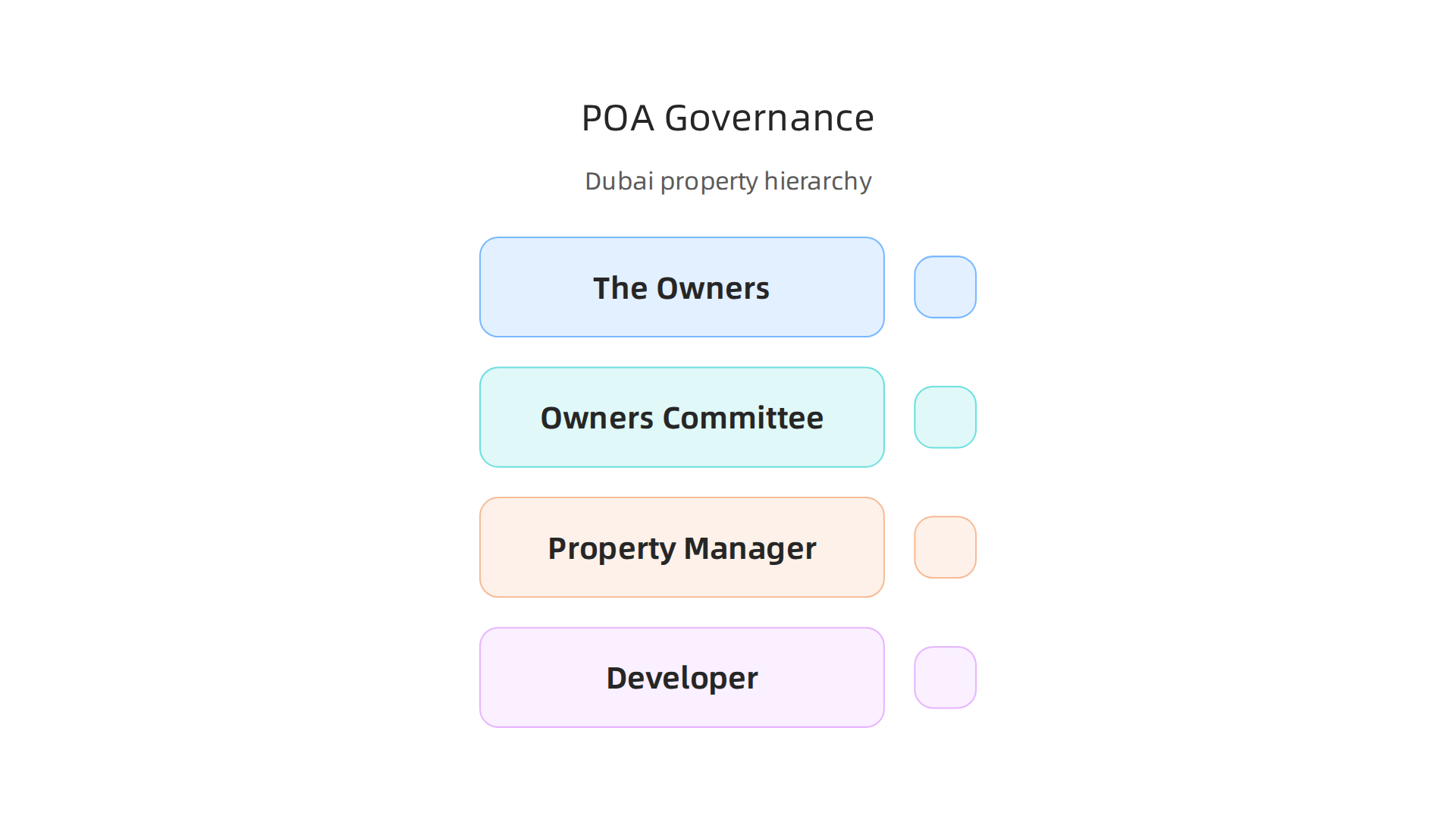
- The Owners: You, and all other unit owners, are at the top. You have the power to vote on big decisions and choose who represents you.
- The Board/Owners’ Committee: These are owners elected by other owners to make decisions for the community. They act like a small team that looks after the property, sets rules, and approves budgets. They have important rights, like reviewing how money is spent and how much service fees should be Joint Ownership Disputes Under UAE Strata Law.
- The Property Manager: The board often hires a professional property management company to do the day-to-day work. This company handles maintenance, collects fees, and makes sure rules are followed. They are like the hands and feet of the POA.
- The Developer (Transition Phase): In new projects, the developer manages everything until enough units are sold and the community is ready for the owners to take over. This includes making sure the property is in good shape and getting ready for the formal handover. During this time, property inspection Dubai is a crucial step for buyers to check for any issues before taking full possession. Knowing this helps you make smart choices when looking at the real estate of Dubai.
Understanding this structure helps you know who to talk to if you have a problem and how you can have a say in your community.

If you’re looking to maximize your investment in Dubai properties, knowing about good governance is key. Learn more about choosing good builders in our guide on Maximizing Your Dubai Properties Investment with Developer Choice.
Understanding the structure of a property owners association is one thing, but knowing what they actually do is another.
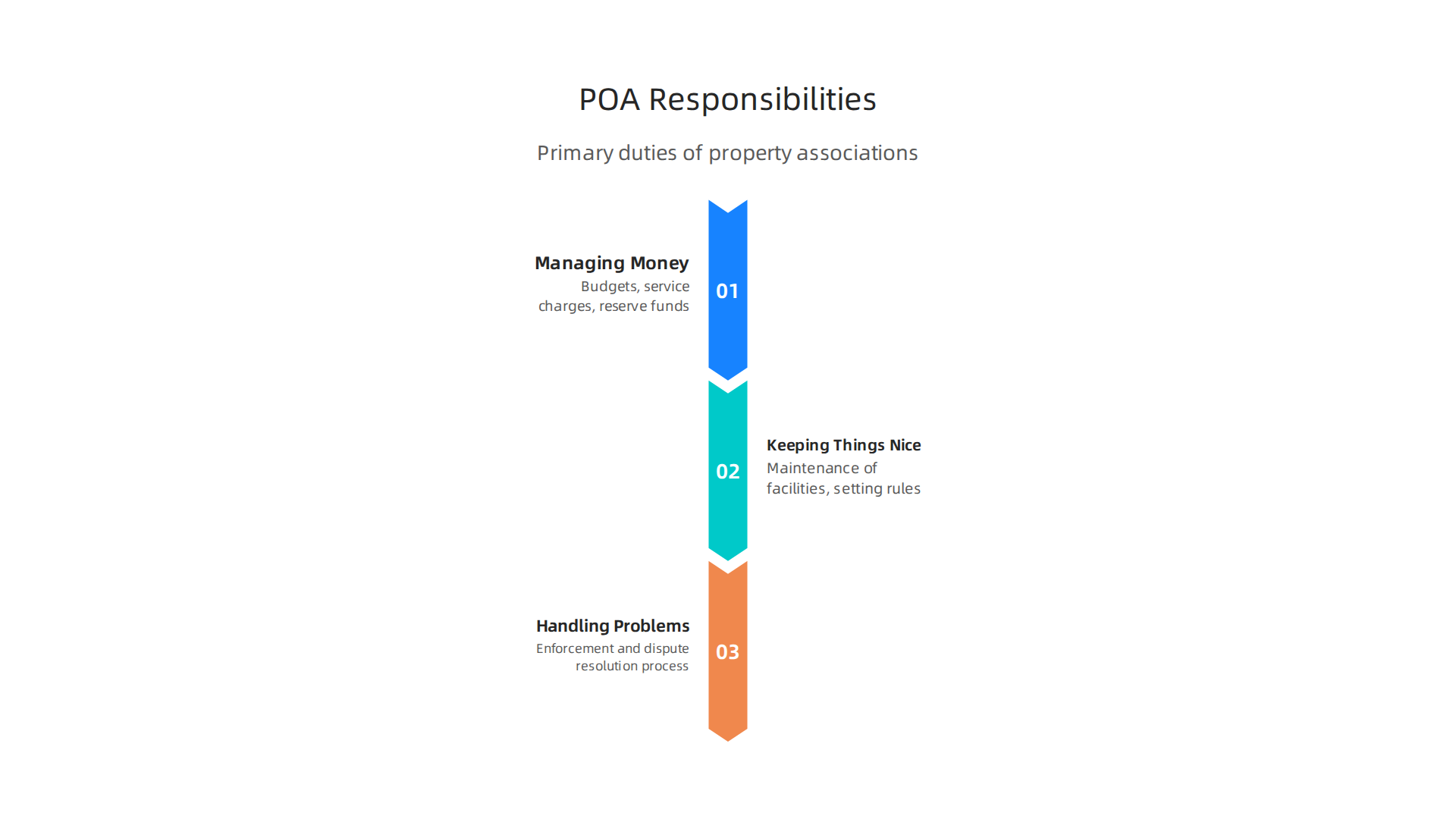
These associations play a big role in keeping your community running smoothly and protecting the value of your property.
Managing Money: Budgets and Service Charges
One of the main jobs of a property owners association is to manage the money for the community. This means putting together an annual budget. This budget plans out all the money needed to run and maintain the shared areas for the year ahead. It covers things like cleaning, security, gardening, and even insurance for the building.
To pay for all this, owners pay what are called "service charges." These fees are collected from all unit owners and go directly to covering the budget approved by the POA board. A good POA also keeps a "reserve fund." This is like a savings account for big, unexpected repairs or major upgrades down the road, such as fixing a roof or replacing a swimming pool pump. Having a healthy reserve fund is key to keeping the real estate of Dubai’s communities looking good and holding their value. The framework for handling these shared responsibilities is set out by the Jointly Owned Property Law in Dubai.
Keeping Things Nice: Maintenance and Rules
POAs are directly responsible for the maintenance of all common facilities. This means ensuring that pools are clean, gyms are working, hallways are tidy, and landscapes are well-kept. Regular property inspection Dubai activities are often part of this process, making sure everything meets expected standards.
Beyond physical upkeep, a property owners association also sets and enforces rules for everyone living in the community. These rules might cover things like parking, pet policies, noise levels, and how common areas can be used. These rules are in place to make sure everyone can enjoy living in the community without problems.
Handling Problems: Enforcement and Dispute Resolution
Sometimes, rules might be broken, or disagreements can happen between neighbors or with the POA itself. The property owners association has ways to deal with these issues. This might start with a friendly reminder, then warnings, and sometimes even fines for serious rule breaking.
When disputes get more serious, POAs have clear steps for resolving them. This often involves a formal complaint process. If things cannot be worked out within the community, owners can turn to official channels like the Real Estate Regulatory Agency (RERA) or the Dubai Land Department. These bodies oversee many aspects of Dubai real estate forms and property laws, providing ways for owners to seek resolution if needed. For investors, understanding how POAs manage these issues is part of how you can Unlock High Returns with Real Estate Investments in Dubai 2026 and protect your assets.
Dealing with all these responsibilities takes work and good management. A strong property owners association helps maintain high standards and a happy living environment for everyone.
If you are thinking about buying a property in Dubai and want to understand how POAs might affect your investment, it is a good idea to speak with an expert.
Connect with Ayaz Salman for Free Consultation
FREE Dubai Real Estate Consultation
After understanding what a property owners association does, it is important to know the rules they must follow. In Dubai, how a property owners association works is clearly set out by law. This ensures that everyone knows their rights and duties, keeping the real estate of Dubai fair and organized.
The Main Laws for Property Ownership
The main set of rules for owning property together in Dubai is called Law No. 6 of 2019. This law replaced an older one from 2007. It helps make sure that when you buy an apartment or a unit in a shared building, you know your ownership rights, how much you need to pay, and how the property owners association should be run. This is known as the Dubai Strata Law for Apartment Owners.
These laws are very important for managing community living in 2026.
From Developer to Owners: The Handover
When a new community or building is finished, the developer has many duties. They are responsible for setting up the community, and often manage it for a time before the owners take over. Developers must follow specific rules during this change, known as the handover process. This includes making sure everything is built correctly and handling early management. The regulations about Strata Law Developer Obligations UAE Community Living 2026 help ensure a smooth change. It is during this time that the property owners association starts to form and prepare to take on its responsibilities.
RERA’s Role in Keeping Things Fair
The Real Estate Regulatory Agency, known as RERA, is a big part of keeping property owners associations in check. RERA is part of the Dubai Land Department and plays a key role in how these associations operate. For example, RERA looks at and approves all service charge budgets. This means that a management company cannot just collect money from owners without RERA’s approval, making sure costs are fair and clear. This also applies to the important reserve fund, which developers and POAs must set aside to cover big future repairs, as explained in Understanding the Reserve Fund Requirement in the UAE. RERA also caps how much service charges can go up each year, usually at 5%, unless there are special reasons for big improvements. This helps protect owners from sudden large increases in their fees, as detailed by Dubai Service Charges Explained: RERA Costs & Rules [2026].
What Buyers Should Check
As a property owner, or someone looking to buy, it’s very important to know your legal rights. Before signing any papers, carefully review the community rules and the contract. Make sure you understand how the property owners association will be run, what the service charges cover, and how decisions are made. Look for details on developer obligations during handover and what guarantees are in place. Understanding these details can help you avoid problems later and protect your investment in Dubai. For a deeper dive into making smart investments, consider reading our Dubai Real Estate Market 2026 A Guide to Buying Property and Maximizing Returns.
After understanding RERA’s role in keeping things fair, it’s time to dig into the actual money matters. For anyone looking at the real estate of Dubai, understanding the different fees is super important. These fees make sure your building or community stays nice and runs well. Knowing them helps you protect your investment.
Service charges, sinking funds and financial transparency: what investors must review
When you own property in Dubai, you will pay fees to the property owners association. These fees are mainly for two types of funds: service charges and reserve funds. Knowing how these work is key for any investor.
What are Service Charges?
Service charges are like your regular monthly bills for the building. They cover all the normal, day-to-day costs of living in a shared community. Think about things like:
- Keeping common areas clean (hallways, lobbies)
- Paying for electricity and water in shared spaces
- Gardening for shared green areas
- Security services
- Insurance for the building
- Paying the property management company
RERA checks and approves the budget for these service charges every year to make sure they are fair. Also, RERA limits how much these charges can go up, usually about 5% each year, unless there are big reasons for a larger change. This helps protect owners from sudden high costs, as explained in a guide to service charges and what owners need to know.
What are Sinking Funds or Reserve Funds?
A sinking fund, also known as a reserve fund, is money put aside for big, costly repairs or replacements in the future. These are not everyday fixes. Imagine needing a new roof, a major upgrade to the elevators, or fixing a swimming pool. These things cost a lot of money and do not happen every year.
RERA requires property owners associations to have these funds. It’s usually a part of your service charge payment, with a certain percentage specifically going into this reserve. As of 2026, RERA mandates that 15% of all service charges should go into a sinking fund. This rule helps ensure communities have enough money for major repairs without having to ask owners for extra cash suddenly, as noted by Expert Mollak Service Charge Management. This fund prevents "special levies," which are unexpected extra payments owners might have to make if the reserve fund is empty.
What to Look For: Financial Transparency
For any investor, looking into the finances of a property owners association is very important. You want to make sure your money is handled well.
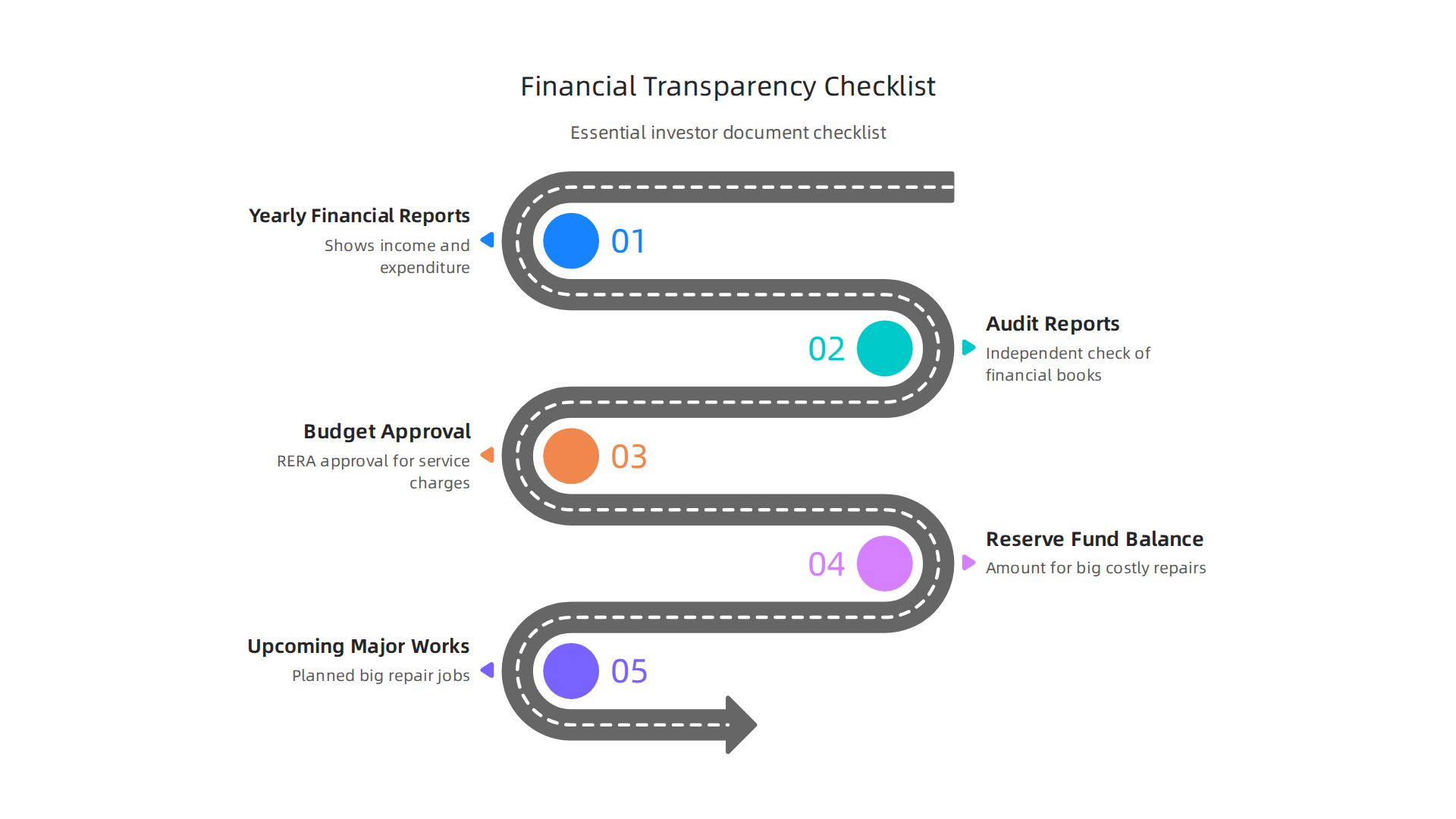
Here’s what to review:
- Yearly Financial Reports: Ask for these. They show where all the money came from and where it went.
- Audit Reports: An independent check of the books. This proves that the money is being used correctly and legally.
- Budget Approval: See if RERA has approved the yearly budget for service charges.
- Reserve Fund Balance: Check how much money is in the sinking fund. A healthy reserve means fewer surprises for big repairs.
- Upcoming Major Works: Find out if any big repair jobs are planned. This helps you understand future costs.
Being clear about these financial details is a sign of a well-managed property owners association. If you find it hard to get clear answers or review these dubai real estate forms, it could be a red flag. Before you buy, a good property inspection Dubai can also help you understand the condition of shared areas, which impacts future costs. For smart investors looking to understand financial details, knowing where to find clear information is a must.
If you are thinking about investing in Dubai real estate and need help with the financial side of things, it’s wise to get expert advice.
FREE Dubai Real Estate Consultation
After looking at how property money works, it’s time to get ready to buy. For any buyer in the real estate of Dubai, doing your homework is super important. This means checking everything about the property and its community rules. This careful check is called due diligence. It helps you make a good choice and avoid problems later on.
Practical buyer checklist: due diligence on governance, budgets and community rules
When you plan to buy property in Dubai, you need a clear checklist. This helps you review important papers and understand how the property’s community is run.
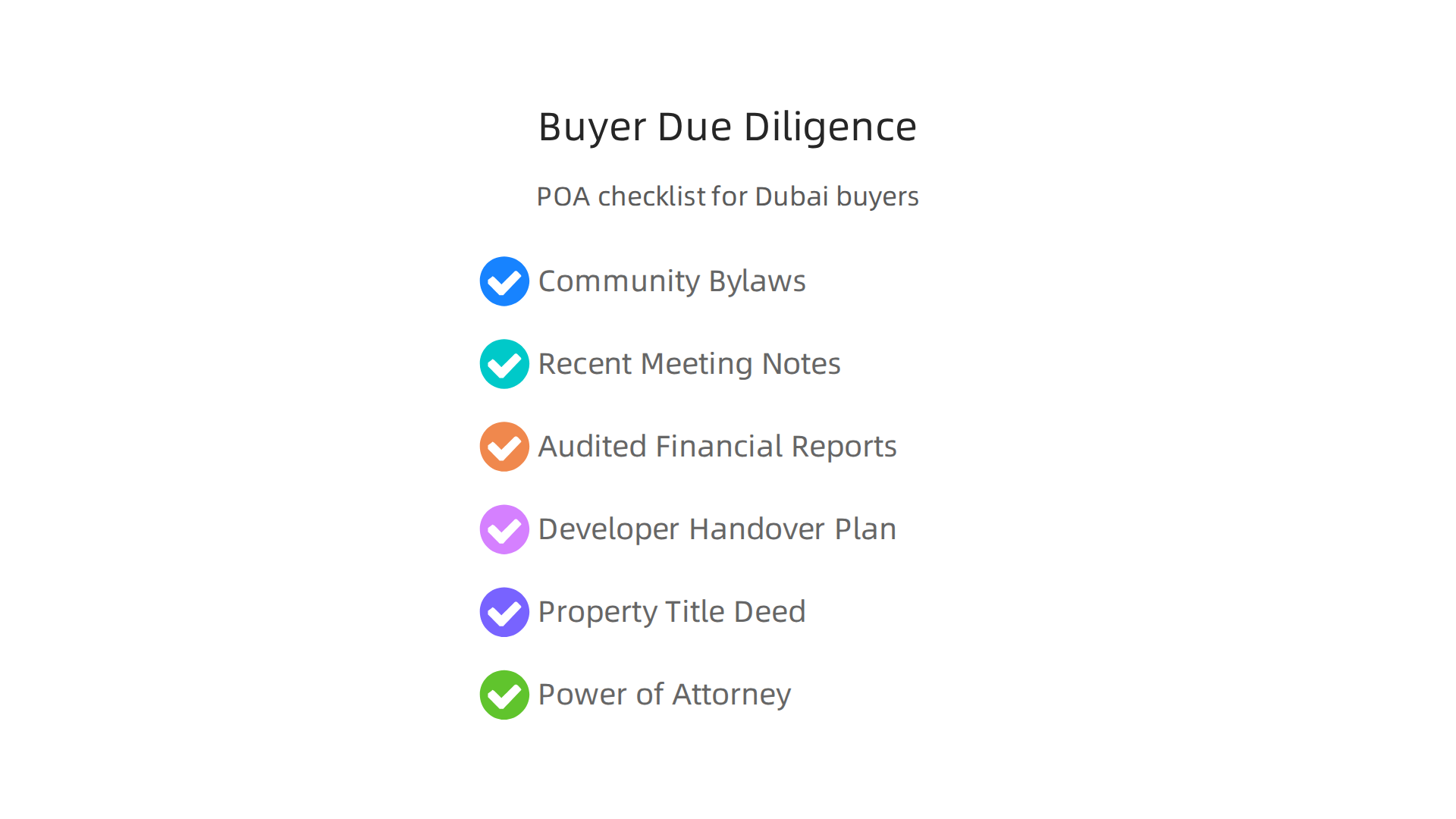
It helps you see if the property owners association is doing a good job.
Here’s a simple checklist for your due diligence:
- Community Bylaws and Rules: Ask for these rules. They tell you what you can and cannot do in your community. They cover things like noise, pets, and changes to your property. Knowing these helps you see if the community fits your lifestyle.
- Recent Meeting Notes: Ask for the latest notes from the property owners association meetings. These notes show what problems the community faces and how they plan to fix them. They can also show if owners are happy or not.
- Audited Financial Reports: You learned about financial transparency before. Now, ask for the formal, checked financial reports for the last few years. These reports are checked by an outside company to make sure all money is counted right. It tells you if the community’s money is managed well and if there might be extra costs coming up.
- Developer Handover Plan: When a new building is finished, the developer gives control to the property owners association. Ask for the plan that shows how this happened. This is important because it tells you if the building was given to the owners in good shape.
- Property Title Deed: This is a very important document that proves who owns the property. You must check that the seller is the true owner. You can often do this using the Dubai Land Department’s system, as part of your UAE Real Estate Due Diligence.
- Power of Attorney (POA): If someone else is selling the property for the owner, make sure they have a proper Power of Attorney document. This paper gives them the legal right to sell. It must be checked carefully to make sure it is real and allows for property sales, as part of your wider Dubai property due diligence.
By checking these dubai real estate forms, you can learn a lot. For instance, if the meeting notes always talk about broken elevators or leaking roofs, it might mean bad maintenance. If the financial reports show little money in the sinking fund, you might have to pay extra for big repairs later.
A good property owners association will have clear rules, healthy money accounts, and a smooth handover from the developer. This means your home will likely be well-kept and you’ll have fewer surprise costs. Doing a good property inspection Dubai along with this checklist will give you peace of mind. For a full guide on this process, check out our buying real estate in Dubai a step by step guide for smart investors.
Managing property in Dubai from abroad: working with POAs, managers and agents
Owning property in Dubai when you live far away might seem tricky. But with the right help, it can be easy.

This means working well with your property’s community group, called the property owners association, and hiring good managers or agents.
Even from a distance, you will still interact with the property owners association. They manage the building and common areas. They make sure rules are followed and collect service charges. Staying connected with them, often through your property manager, helps you keep up with any community news or important decisions.
For remote owners, a property manager or agent is your eyes and ears on the ground. They handle many tasks you can’t do yourself. This includes finding tenants, collecting rent, and dealing with everyday issues. They can also help with important documents, known as dubai real estate forms, and arrange for a property inspection Dubai to make sure everything stays in good shape.
A key step for managing property from abroad is to appoint someone with a Power of Attorney (POA). This is a legal document that gives someone else the right to act on your behalf. This person could be a trusted friend, a solicitor, or your property manager. When setting up a POA, it’s very important to ensure it is legally notarized and valid under UAE law. For example, a POA made outside the UAE often needs to be checked by a UAE embassy in that country to be valid in Dubai, as detailed in guides like the one from Gaia Realty on verifying ownership. This step is vital to avoid any legal problems later on.
Choosing the right property manager is just as important as choosing the property itself. You need someone trustworthy who understands the real estate of Dubai. When picking a manager or agent, do your own careful checks. Look into their past work and make sure they are licensed. It’s smart to verify the people you work with, including any brokers or agents, to ensure they are authorized, as noted in a Dubai property due diligence checklist. A good manager will send you regular reports and keep you informed about your property’s status, finances, and any maintenance needs. For more tips on finding reliable help, you can learn how to choose a real estate company in Dubai that puts your interests first.
Are you looking to buy, sell, or invest in Dubai property and need expert advice?
Connect with Ayaz Salman for a FREE Dubai Real Estate Consultation.
As you work with your property managers and agents, it’s also very helpful to know about new trends and possible risks. This is especially true for how property owner groups, known as the property owners association, work. In 2026, we are seeing some key changes in how these groups are managed in Dubai.
Emerging trends, governance risks and how regulation may evolve (2026 outlook)
One big trend for property owners association groups is becoming more open and clear. People expect these groups to show how they make decisions and spend money. This push for clearer rules is part of Dubai’s larger goal to improve how cities are run, by using smart planning and looking ahead, as noted in reports about Dubai Municipality pioneers foresight-driven urban governance.
Another new trend is using more digital tools. This means you might see more online ways to pay your fees, talk with the property owners association, and even vote on important matters. This makes it easier to manage your property, especially if you live far away. These changes are part of broader policy updates happening across the UAE in 2026, as the country aims to boost quality of life and improve community services, which can affect the real estate of Dubai generally. Many major changes are happening in Dubai, including law reforms to improve daily life, which could reshape how properties are managed and how owners interact with their communities Dubai plans major law reforms to boost quality of life.
However, with these changes come some risks that buyers should be aware of:
- Lack of Clear Information: Sometimes, a property owners association might not share information well. This can lead to misunderstandings about rules or money. It is important for them to be transparent.
- Money Problems: All property owners association groups handle money for building upkeep and services. If this money is not managed carefully, it can cause big problems for property owners. Always ask for clear financial reports.
- Changes in Laws: Dubai’s laws are always being updated. New rules can affect how properties are owned, used, or sold. For example, recent changes in federal law are reforming how financial activities are regulated in the UAE, according to the guide Investing In… 2026 – United Arab Emirates. This means you should stay updated on new rules that might affect your property.
To avoid these risks, staying informed is key. You can do your own Dubai Property Research 2026 or work with a good property manager who can help you understand all the new trends and rules.
Summary
This article explains why property owners associations (POAs) and community governance matter for anyone buying property in Dubai. It covers what a POA is, how the owners, board, property manager and developer interact, and which laws and regulators (notably Law No. 6 of 2019 and RERA) control budgets, service charges and handovers. You will learn how service charges and reserve (sinking) funds work, what transparency and audit documents to request, and the practical steps to check developer handover, title deeds and powers of attorney. The guide also offers a due-diligence checklist for buyers, advice for managing property from abroad, and an overview of emerging 2026 trends and governance risks so you can protect your investment and avoid unexpected costs.